What Health Plans and Employers Need to Know to Support Members Through the Full GLP-1 Journey
Research Report by CARAVAN Wellness
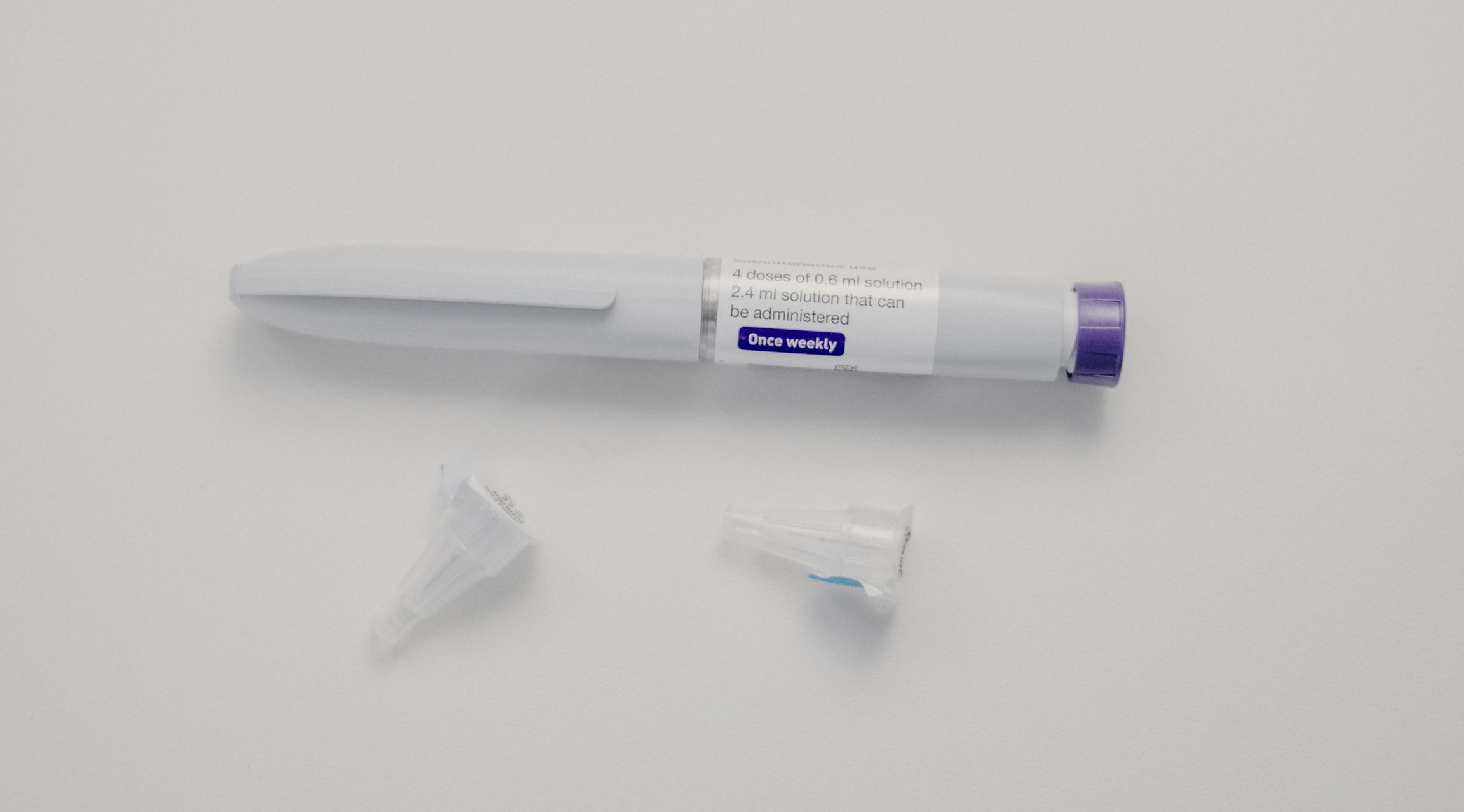
Use of GLP-1 medications has grown quickly. Roughly one in eight U.S. adults currently takes a GLP-1 drug for weight loss, diabetes, or another condition, according to KFF. Large-employer coverage of these medications for weight loss also rose from 28% to 43% in a single year.
Demand and coverage are accelerating, but member support has not always kept pace. A 2025 JAMA Network Open study of more than 125,000 patients found that 53.6% discontinued therapy within one year and 72.2% discontinued within two years. Cost and gastrointestinal side effects were among the most common reasons for stopping. These findings point to a clear gap: access to medication is only one part of the GLP-1 journey.
Access Does Not Guarantee Confident or Equitable Use
Eligibility, coverage, prescribing, and education all shape whether a member can begin treatment successfully. A nationwide electronic health record analysis published in JAMA found that only about 3% of patients clinically eligible for semaglutide or tirzepatide for obesity had ever received a prescription for either medication. The same research identified disparities by race, ethnicity, social vulnerability, and rurality.
Coverage design matters as well. A separate study found that a state Medicaid coverage expansion substantially narrowed a documented racial prescribing gap. This suggests that equitable access depends on more than member interest. Benefit design, provider access, and clear navigation all influence who ultimately receives treatment.
Benefit Navigation Should Begin Before the First Denied Claim
Cost and coverage confusion are among the most common barriers members report before starting treatment. KFF found that half of current GLP-1 users considered the drugs difficult to afford, including 55% of insured users.
Coverage can also vary by indication. Semaglutide prescribed for type 2 diabetes under the brand name Ozempic may have different coverage rules than semaglutide prescribed for weight management under the brand name Wegovy. The same distinction applies to tirzepatide, marketed as Mounjaro for diabetes and Zepbound for weight management.
Members should not have to discover these differences after a denied claim. Plain-language education can help explain eligibility, prior authorization, step therapy, expected costs, and the questions members should bring to their plan or care team before treatment begins.
Daily Habits Still Matter During Treatment
GLP-1 therapy works alongside behavior, not instead of it. Members continue to make daily decisions about food, movement, hydration, symptoms, and follow-up care between clinical visits. Well-designed companion content can reinforce clinical guidance during those moments without replacing the prescriber.
Body-composition research suggests that lean mass can account for a meaningful share of total weight lost during GLP-1 treatment. A 2025 expert consensus statement also emphasized adequate protein intake and structured resistance training during active treatment and maintenance. Because appetite suppression can make nutrition goals harder to meet, members benefit from practical, phase-specific education rather than general advice.
Side-Effect Education Can Reduce Uncertainty
Gastrointestinal symptoms, including nausea, vomiting, diarrhea, and constipation, are among the most frequently reported reasons for discontinuation. In the large JAMA Network Open cohort, moderate or severe gastrointestinal events were associated with a higher likelihood of stopping treatment.
This does not mean content should offer self-directed medical instructions. It means members should know which effects are commonly discussed during dose escalation, when to contact their care team, and why changes to treatment should be managed with a clinician. Clear expectation-setting can reduce confusion and make it easier for members to seek help at the right time.
Support Should Continue After Initiation
Most education is concentrated at the beginning of treatment, but persistence and maintenance deserve equal attention. A 2025 systematic review and meta-analysis found measurable weight and glycemic rebound after GLP-1 discontinuation across randomized trials. Individual outcomes vary, but the broader implication is consistent: members need support for continuation, maintenance, and clinician-guided transitions, not just onboarding.
Mental wellbeing also requires careful, current communication. In 2026, the FDA requested removal of suicidal behavior and ideation warnings from certain GLP-1 labels after reviewing data from 91 placebo-controlled trials involving more than 107,000 patients and finding no increased risk. Even so, members with a mental health history should be encouraged to discuss treatment openly with their prescriber and report any concerning changes.
Different Stakeholders Need Different Support
Employers, health plans, and pharmacy benefit managers share an interest in improving outcomes from GLP-1 coverage, but their operational needs differ. Employers need education that helps employees understand the benefit and engage with required lifestyle support. Health plans need equitable outreach and clear prior-authorization guidance. PBMs need content that reduces avoidable friction and supports appropriate use across a rapidly changing medication category.
Across each audience, the content must be clinically governed, indication-specific, and routinely reviewed. Approved uses, safety guidance, and coverage rules can change. A one-time content build will not keep pace.
The Big Takeaway
GLP-1 coverage is expanding faster than the education surrounding it. Members need support before, during, and after treatment, including benefit navigation, realistic expectation-setting, nutrition and movement guidance, side-effect awareness, maintenance education, and clear direction back to the care team. The strongest companion-content strategies reinforce clinical care, reduce avoidable confusion, and remain current as the category evolves.