Connection and Authenticity in the Age of AI
With so many ways to access health information today, healthcare organizations have to think about how they can stay connected with people outside of traditional appointments. A patient might see their doctor a few times a year, but they make decisions about their health every day: what to eat, how to stay active, which symptoms to take seriously, and where to turn with questions.
For MetroHealth, staying part of those everyday decisions means sharing useful health information, telling real stories about care, and creating opportunities for the community to connect with its providers outside of the exam room.
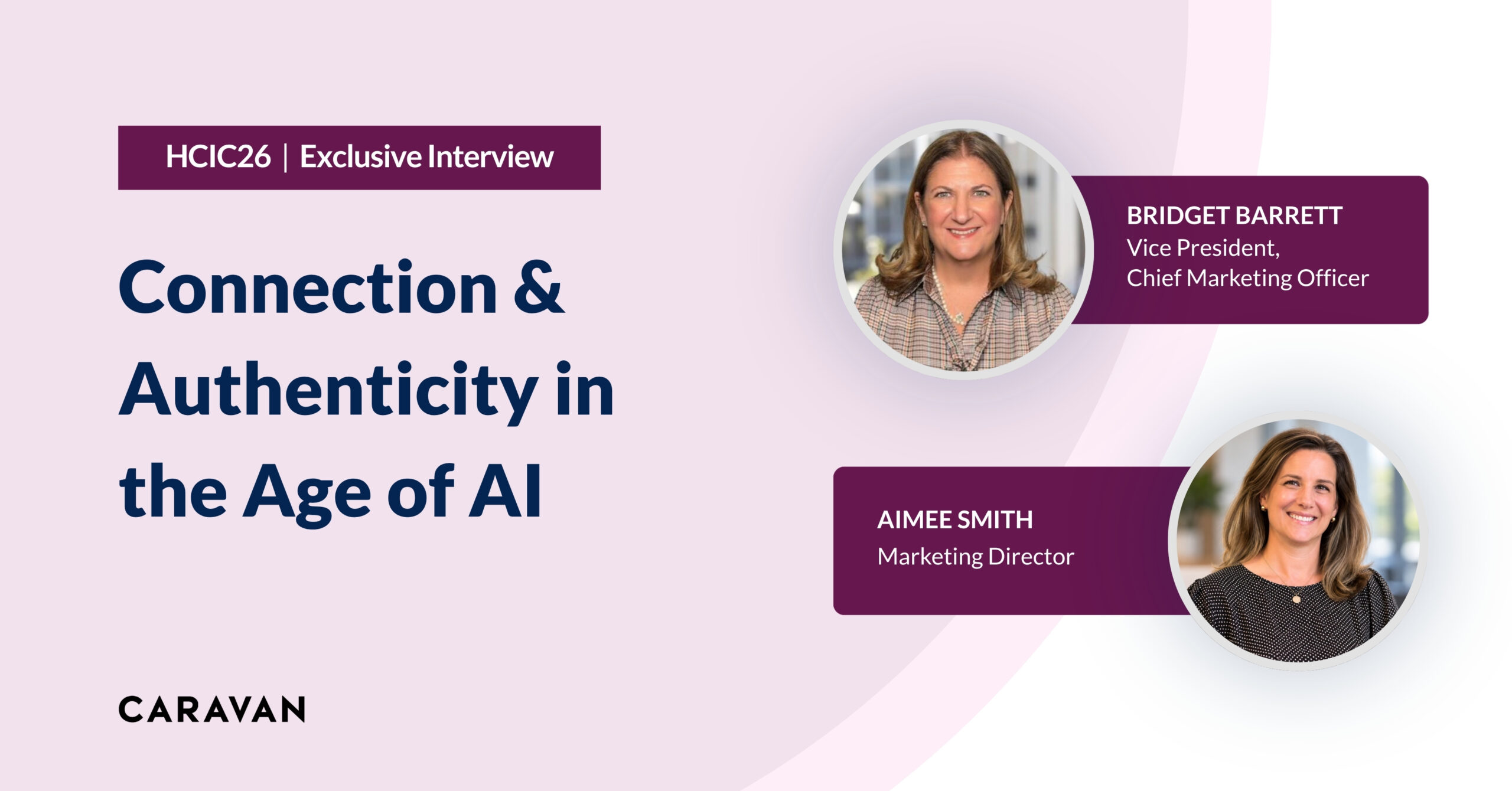
At the 2026 Healthcare Internet Conference (HCIC), Bridget Barrett and Aimee Smith shared how MetroHealth is using educational content and personal stories to build trust with the people it serves, and why they believe that trust matters more than ever.
Staying Grounded in a Changing Landscape
Artificial intelligence was one of the most talked-about topics at this year’s conference, and many healthcare leaders feel pressure to keep up. Barrett and Smith see it differently.
“I think we think that we’re behind because the landscape is changing so quickly, but I don’t know if that’s necessarily true,” Barrett and Smith said. Instead of chasing every new tool, they encourage organizations to remember who they are and what they represent.
Technology is only part of the picture. Today’s consumers have more choices than ever, including health apps and other sources of care and information that sit outside the traditional health system. Rather than competing with every one of those options, Barrett and Smith suggest starting by acknowledging that they exist.
The question then becomes how a health system remains the source people trust. In their view, the answer is authenticity: telling the organization’s story honestly, respecting that people get information from many places, and giving them a reason to keep coming back. As they put it, the goal is to “remain true and authentic so that you can be that trusted source for them.”
Bringing Health Education Into Everyday Life
One of MetroHealth’s main resources is Be Simply Well, a content hub featuring approximately 300 health articles, monthly newsletters, and educational health talks. Barrett and Smith described it as the foundation for how they communicate with patients and community members between visits.
The goal is to make health information approachable and give people practical advice they can use in their daily lives.
What resonates with readers:
Some of the most popular topics might be surprising. Recipes consistently perform well, and the team admits that no one has fully figured out why. Content focused on movement and healthy aging is also a strong draw, reflecting broad interest in longevity.
The team has also seen growing interest in prevention-focused topics, including:
- Balance and fall prevention
- Memory and brain health
- Exercises and movement people can do at home
- Practical tips for staying active as they age
Readers want more than general guidance. They want to know how to do it. That insight is shaping how the team presents information. For example, the team is looking at pairing written articles with short videos, such as five easy tips that demonstrate an exercise or a healthy habit.
Their health talks take that approach a step further by giving community members the opportunity to interact directly with healthcare professionals.
One session brought together a physician and physical therapist to help participants improve their golf swings. Another invited attendees to bring their medications and ask a pharmacist questions about them.
These sessions make health education more interactive and give people information they can put into practice.
Understanding What People Want to Learn
Behind Be Simply Well is a content strategy shaped by the interests of MetroHealth’s community, and much of the work happens before anything is published.
The team plans its educational topics throughout the year and works with different healthcare professionals to share their expertise. That might mean featuring a physician, therapist, or another employee with knowledge to share.
They also pay attention to how people engage with the content. Email click-through rates help identify popular topics, while health talk registrations and attendance provide insight into which sessions attract the most interest.
This allows MetroHealth to adjust its content based on what people are actually looking for, rather than assuming which health topics will resonate.
Keeping the Human Side of Healthcare Visible
Beyond educational content, MetroHealth uses its Stories of Hope series to share real experiences from people who have received care.
The stories feature individuals recovering from serious injuries, navigating high-risk pregnancies, or receiving cancer treatment. They also highlight the relationships people develop with their healthcare teams.
For Barrett and Smith, these stories offer an opportunity to show the people behind the care and the connections that develop throughout someone’s health journey.
That personal approach carries through MetroHealth’s educational efforts as well. Whether someone is reading an article about healthy aging or attending a health talk, the focus is on making information useful and relevant to their life.
As healthcare technology continues to evolve, MetroHealth’s approach is a reminder that meaningful engagement doesn’t always require a new platform. Sometimes, it starts with understanding what people want to know and giving them a reason to stay connected.
Looking Ahead: Listening First
When asked about the biggest opportunities for building trust and engagement, Barrett and Smith pointed to something MetroHealth already does well: listening to its community.
They described a clear understanding of the needs of the people they serve, which shapes how programs are built and how people access care, especially for the most vulnerable patients.
As healthcare technology continues to evolve, MetroHealth’s approach is a reminder that meaningful engagement doesn’t always require a new platform. It starts with a few steady practices:
- Stay true to who you are, even as the landscape shifts.
- Accept that people have many sources of information, and work to be the one they trust.
- Give people practical, relatable content they can use in daily life.
- Show the real people and relationships behind the care.
- Listen, measure, and adjust based on what the community actually wants.
Sometimes, building trust starts with understanding what people want to know and giving them a reason to stay connected.
About Bridget Barrett
Bridget Barrett is Vice President and Chief Marketing Officer at The MetroHealth System, where she leads brand, marketing, digital experience, and engagement. With 30 years of experience across retail and healthcare, she brings a strong consumer perspective to her work, helping make it easier for people to find, access, and navigate care. Bridget is passionate about creating experiences that put patients first, building trusted brands, and using data, technology, and storytelling to connect people with the care they need. She is committed to advancing MetroHealth’s mission and improving the health of the communities it serves.
About Aimee Smith
Aimee Smith is Marketing Director at The MetroHealth System, with more than 25 years of experience connecting business strategy, market insights and consumer needs to build awareness and drive organizational growth. At MetroHealth, she leads enterprise-wide clinical marketing strategy, partnering with executive, physician and operational leaders to align marketing priorities with business objectives and growth opportunities. Her experience spans service line development, consumer engagement, audience-focused content strategy and data-driven decision-making. She is passionate about building high-performing teams, strengthening strategic partnerships and leading responsible AI adoption to enhance capabilities, empower people and drive greater impact.