Brief daily wellness practices were
associated with improved quality of life
Initial findings from a randomized controlled trial of the CARAVAN Wellness digital platform, conducted in collaboration with Yale University faculty.

×

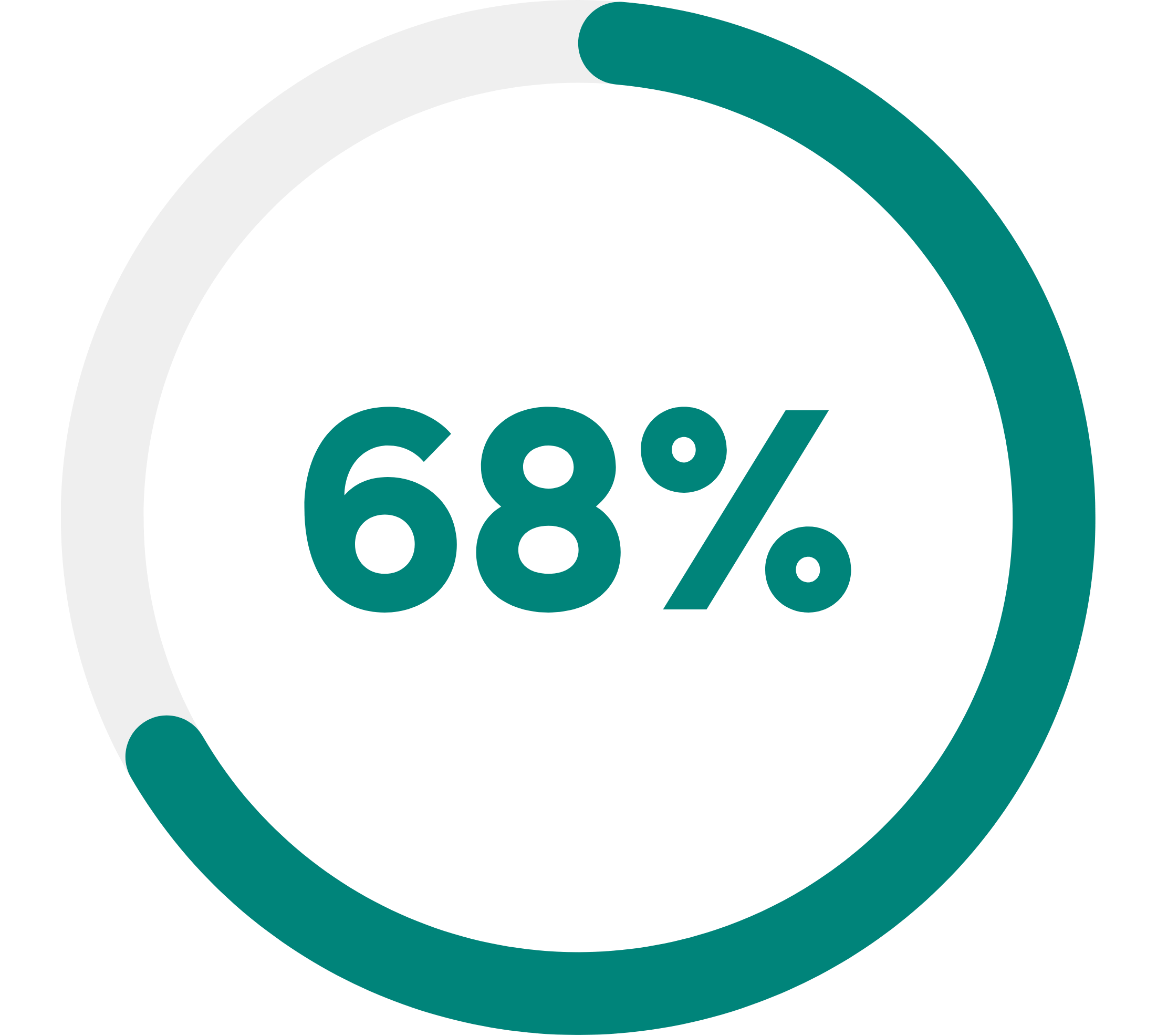
of participants reported improved quality of life
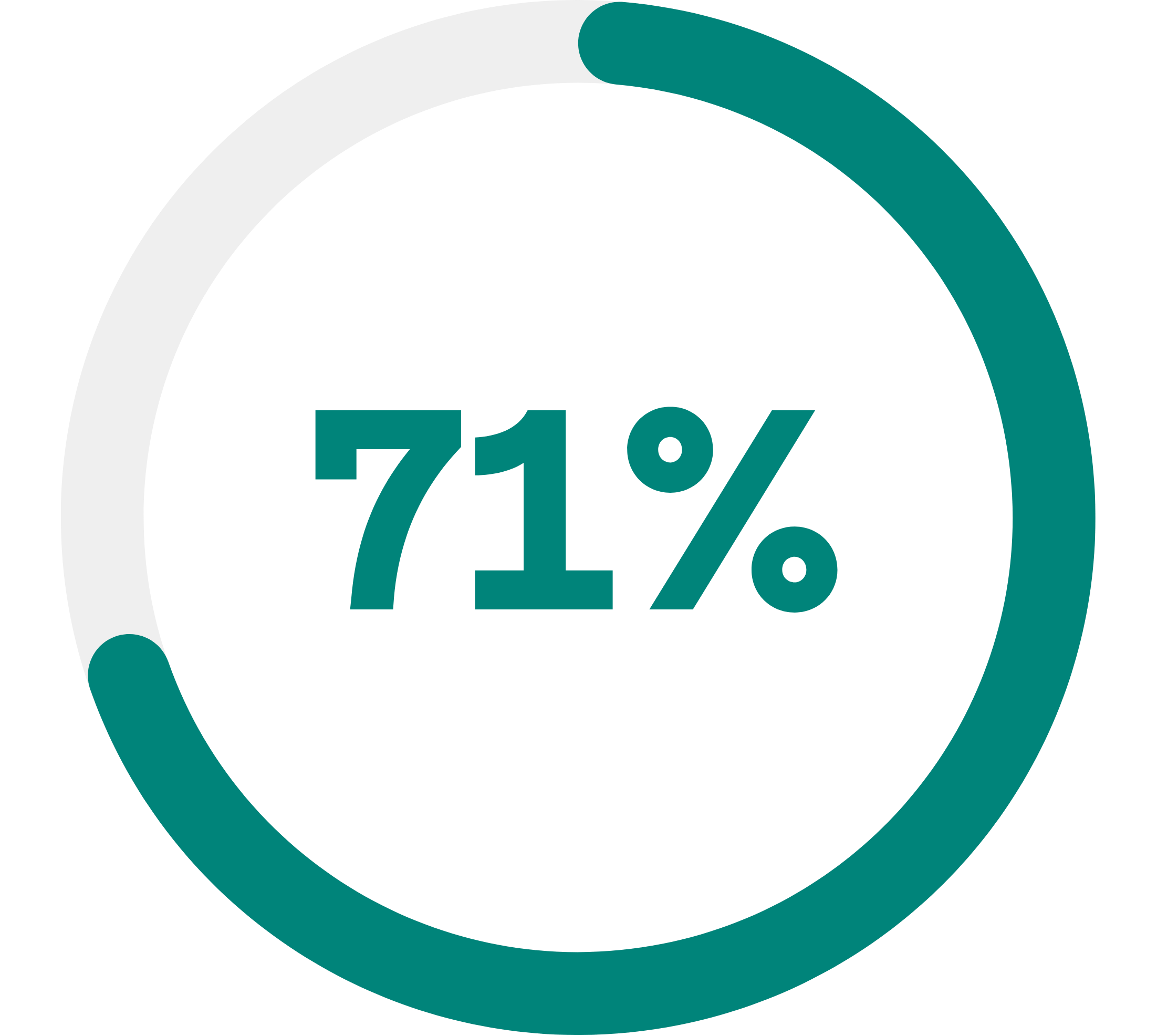
reported increased motivation for health-promoting behaviors
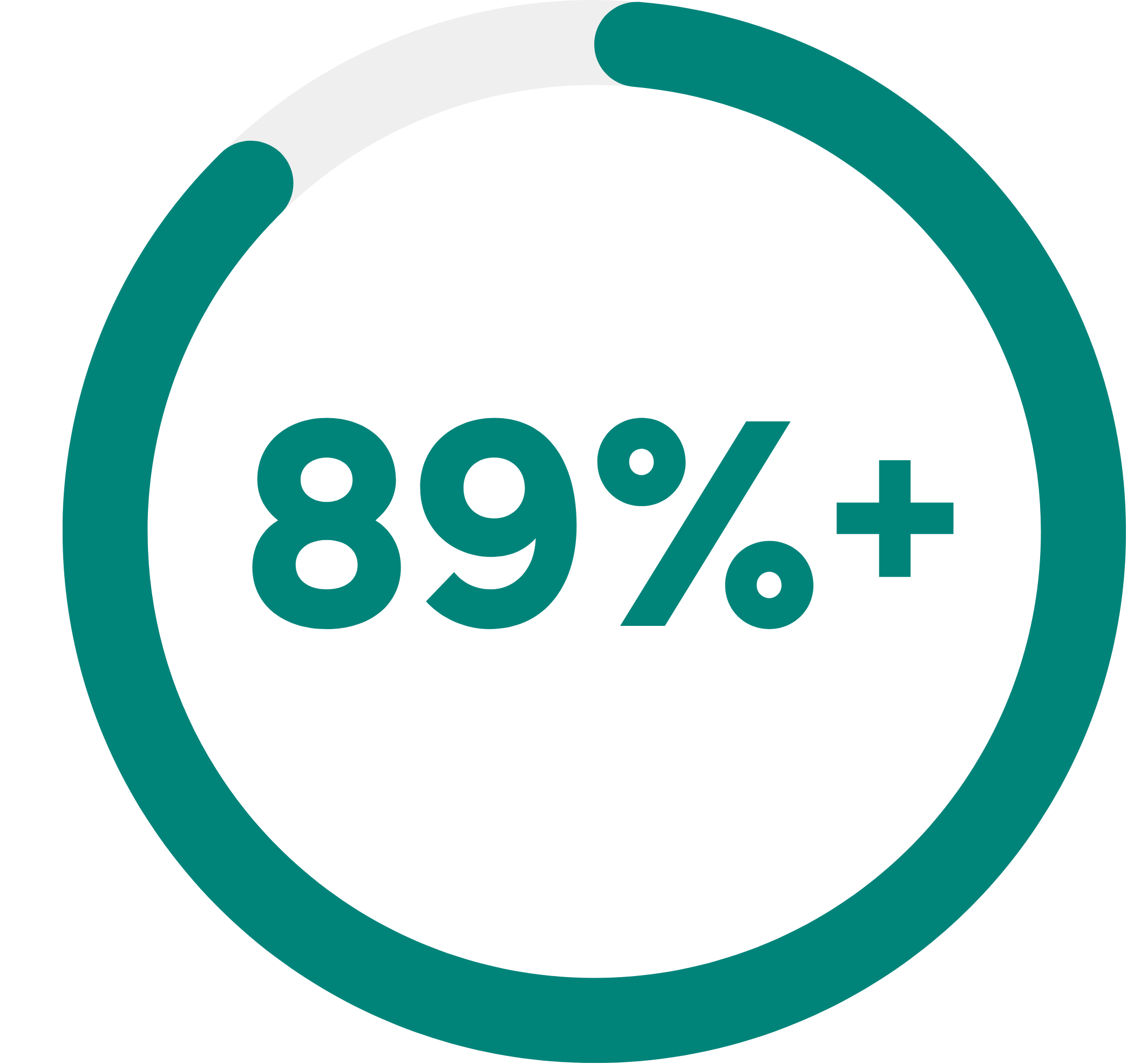
participant satisfaction rate across both intervention arms
Study Overview
What this research examined
This randomized controlled trial evaluated whether brief, app-based mindfulness and movement practices delivered through the CARAVAN Wellness platform could improve wellbeing, reduce stress, and strengthen motivation for healthy behavior change.
The study used a fully remote design with a national online sample, making it one of the few clinical trials to evaluate a digital wellness intervention under real-world conditions — without in-person visits, lab settings, or artificial constraints on participant behavior.
Participants averaged 5.4 sessions per week. That level of adherence, combined with the outcome improvements we observed, is what makes this trial notable.
Methodology
How the study was designed
The trial used a three-arm randomized controlled design — the gold standard for establishing causal relationships between an intervention and measured outcomes. Participants were randomly assigned to one of three conditions and followed longitudinally beyond the two-week intervention period.
Preliminary Results
Key findings from initial data
The following results reflect preliminary findings from an ongoing study. All outcomes are based on validated self-report measures administered at baseline and post-intervention. These findings should be interpreted with appropriate scientific caution.
| Finding | Result |
|---|---|
| Participants reporting improved quality of life | 68% |
| Reduction in stress and anxiety scores post-intervention | 53% |
| Reporting increased motivation for health-promoting behaviors | 71% |
| Participant satisfaction across intervention arms | 89%+ |
| Average engagement (sessions per week) | 5.4× |
| Participants completing the full two-week intervention | 80% |
What This Means
Implications for digital health and wellness platforms
These findings carry meaningful implications for organizations designing or licensing wellness content for digital health platforms, employee benefits programs, health insurance products, and health apps.
About This Research
A note on these findings
This is an ongoing study and these results are preliminary. We’re sharing them because we believe in transparency — and because the early signal is meaningful. A few things to keep in mind:
- The study enrolled primarily healthy adults, so results may look different across clinical populations
- Outcomes are self-reported by participants, which is standard practice for wellbeing research
- The 3-month follow-up assessments are still underway — we’ll share longer-term findings as they become available
- Results are compared to a waitlist control group, not an alternative active intervention
These findings are preliminary and derived from an ongoing randomized controlled trial. All data reflect self-reported outcomes from study participants. These results do not constitute medical advice, a clinical recommendation, or a proven treatment. The study is registered at ClinicalTrials.gov under identifier NCT05810259.
View on ClinicalTrials.gov →
| Avg. sessions/week | 5.4 |
| Completion rate | 80% |
| Session length | 5–10 min |
| Satisfaction | 89%+ |
| Follow-up period | 3 months |
| Study design | 3-Arm RCT |
License evidence-based
wellness content
Bring clinically informed content to your platform, benefits program, or health app.


