Communication Is Care for Every Patient in Modern Healthcare
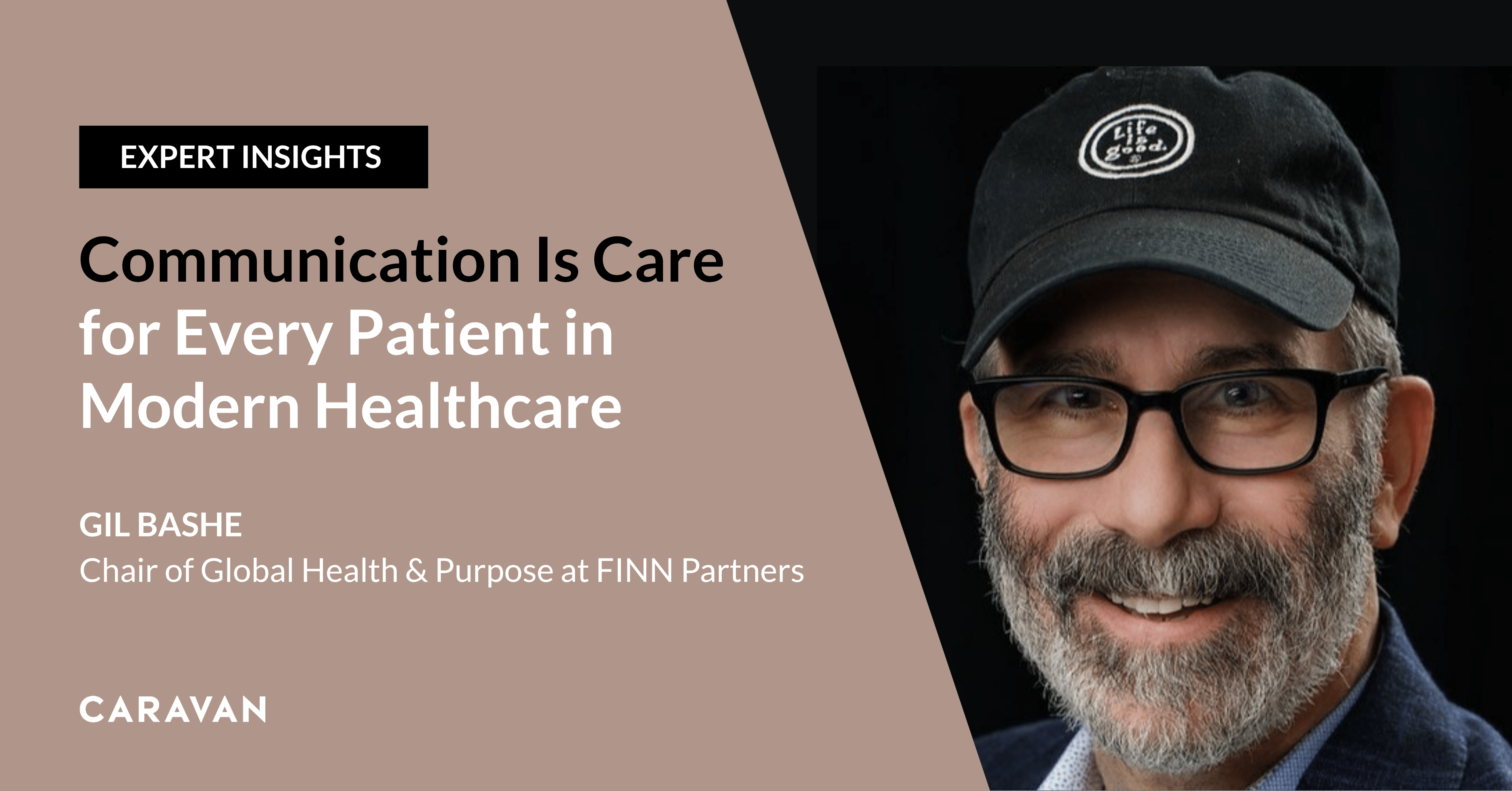
Only 12% of American adults have the health literacy to fully understand and act on the information their care depends on. Later in the 25.7 million people in the U.S. who navigate the health system in a language that isn’t their first, and an uncomfortable truth surfaces: for most patients, the greatest obstacle to good health isn’t getting information, it’s making sense of it. In this interview, Gil Bashe, Global Chair of Health at FINN Partners, shares his perspective on the role of empathy, communication, and multilingual patient support in creating a more accessible and patient first healthcare experience.
1. Health organizations invest heavily in innovation, yet patient engagement often remains a challenge. What do you believe are the biggest barriers preventing patients from becoming active participants in their own care?
Too much of the health system was built around the needs of the system rather than the needs of the person seeking care. We ask people who may already be frightened or sick to navigate appointments, portals, passwords, bills, clinical language and disconnected information, then wonder why they are not more “engaged.” People want something much simpler: “Help me understand what is happening, what I can do and where I turn next.” When we remove the friction, listen to what matters to people and make it easier for them to participate, engagement and adherence follow. Perhaps the better question is not why patients fail to engage, rather what we have placed in their way?
2. You’ve spent decades helping health organizations communicate with diverse audiences. What separates communication that simply informs patients from communication that truly changes behavior?
When illness enters a person’s life, information is rarely received calmly. People are often scared, overwhelmed or trying to remember what a clinician said while dual-processing about their family, job or what this diagnosis could mean for their future. People are focused on their survival. That is why communication should begin with empathy. We have to understand what the person needs to know, what they may be afraid to ask and what will help them take the next step. Facts matter enormously; however, people are more likely to act when those facts connect to something they love, value or hope to preserve. Communication is care because, at its best, it helps people move from fear toward understanding and from understanding toward action.
3. As patient populations become increasingly diverse, how important is it for health systems to provide educational content in multiple languages, and what challenges do they often overlook?
Imagine being told you or someone you love has a serious illness and then receiving the information you need in words you cannot understand. At the precise moment when clarity and connection matter most, language must not become another barrier between a person and good care. That is why multilingual education is about much more than translation. We have to understand how people talk about illness, how families make decisions and whom they turn to for advice. It is not whether we translated every word correctly. It is whether the person receiving those words understands what they mean and feels able to act on them.
4. Trust has become one of the health system’s most valuable currencies. What practical steps can organizations take to build trust through culturally relevant and multilingual patient education?
Trust follows truth. In health, people deserve the facts whether they are reassuring, difficult or incomplete, and they deserve those facts in language they can understand and apply. This means saying what we know, acknowledging what we do not know, explaining choices and risks clearly and correcting ourselves when the evidence changes (or we are wrong). The same truth should be available to every person, regardless of the language they speak. When people know that we will tell them the truth and respect their ability to make decisions for themselves, trust has something solid on which to stand.
5. Digital health has dramatically expanded access to information. How can organizations ensure they’re delivering educational content that is evidence-based, engaging and accessible to patients with different language preferences and health literacy levels?
We can now put extraordinary amounts of medical information into someone’s hand. That does not mean we have helped them. A person worried about a new diagnosis may not need 20 pages of information or an endless list of links. They may need a clear answer to three questions: “What is happening to me? What are my choices? What should I do next?” Technology and AI can help us answer those questions in the language and form that works best for each person, yet the information still has to be accurate, understandable and guided by human judgment. Technology earns its place in health when it leaves people less confused, not more impressed.
6. Many organizations focus on acquiring patients, but fewer focus on keeping them engaged throughout their health journey. What strategies, including multilingual communication, have you seen work best?
People do not focus on their health only during appointments. They experience it when they wake up worried at 2 AM, when a test result arrives on their phone, when they are deciding whether a symptom can wait until morning or when a family member asks, “What did the doctor say?” The health system has an opportunity to be supportive in those moments. Clear explanations, thoughtful follow-up and information people can understand in their own language can help them feel less alone and more confident about what comes next. The goal is not to keep someone engaged with a platform. It is to keep them connected to their care and to the belief that they have a meaningful role in protecting their health.
7. If you were advising a health system or digital health company building its patient engagement strategy today, what role would multilingual educational content play in improving engagement and health equity?
I would begin with the people we hope to serve. Who are they? What languages do they speak at home? What worries them? Who helps them make health decisions? Where are they becoming confused or simply giving up? Those questions shape the strategy before anyone starts translating content. If someone cannot understand a diagnosis, weigh a treatment choice or know what to do next, access is only theoretical. Multilingual education gives more people the ability to understand, ask questions and participate in decisions about their own health. That is two-way communication. It is one very practical way to make health equity possible.
8. Looking ahead, what emerging trends do you believe will have the greatest impact on patient education and engagement, particularly as health organizations strive to better serve increasingly diverse communities?
What gives me hope is that technology may finally allow us to meet people where they are rather than constantly asking them to find their way through (or to) the health system. AI can help explain something complicated simply, make information available in the language someone understands best and help answer questions that arise long after the appointment ends. The opportunity, however, is not to overwhelm people with more information. Someone newly diagnosed with cancer does not need a medical library dropped on their lap. They need help finding their way forward. If we combine people-centered technology with empathetic clinicians, clear language and caring, we can make the health system a little less intimidating and a lot more helpful. That is the future worth investing in and prioritizing: one in which more people feel informed, supported and hopeful about what comes next.
As technology continues to reshape healthcare, the greatest opportunity may be using it to make the experience more human. Combining innovation with empathy and culturally relevant education can help create a health system where more people feel informed, supported, and confident about what comes next.
About Gil Bashe
Gil Bashe Chair Global Health & Purpose at FINN Partners and an advocate for placing people at the center of healthcare. With decades of experience across communications, policy, innovation, and advocacy, his work focuses on improving healthcare through patient-centered communication, access, empathy, and human understanding. He is also the author of Healing the Sick Care System: Why People Matter, which explores how healthcare can better connect science, innovation, and the lived experiences of patients and families.
About CARAVAN
CARAVAN Wellness is the #1 global leader in expert content solutions for health, wellness, workplace, financial care, and education. CARAVAN impacts millions of people by helping healthcare organizations, health plans, employers, and digital platforms educate, engage, and empower people with trusted expert content. At CARAVAN, we envision a world where everyone can access trusted education and resources, regardless of their age, income, or location. Learn more at caravanwellness.com