for healthcare systems
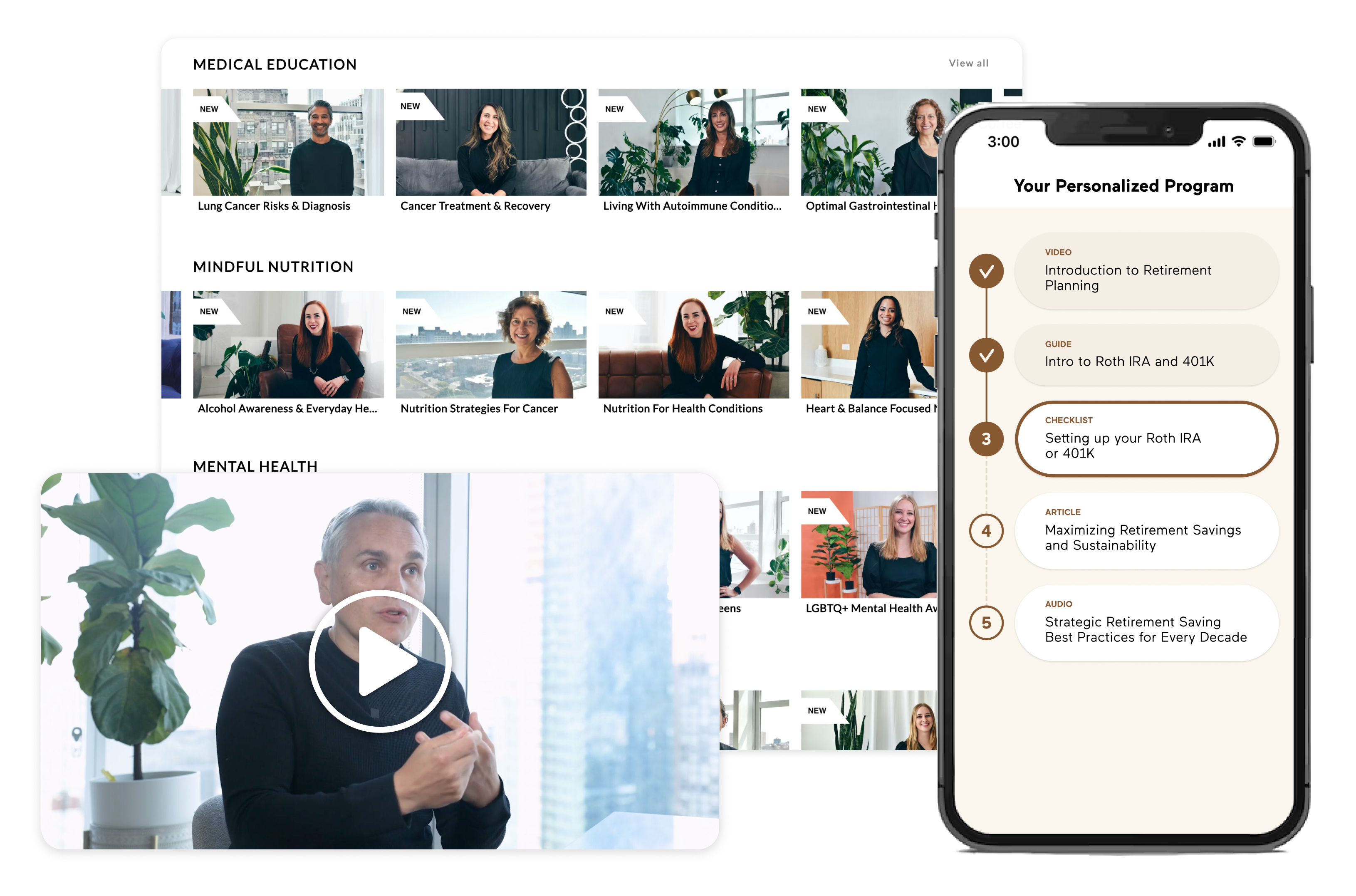
Highly EngagingPatient Education
Proactive, personalized patient education that supports patients before, after, & between care encounters.
- Personalized patient education
- Condition-based content journeys
- Proactive preventive health education
- Self-management support
Outcomes: Engage with patients beyond appointments, bills, and lab results.
StandardizeEvery Touchpoint
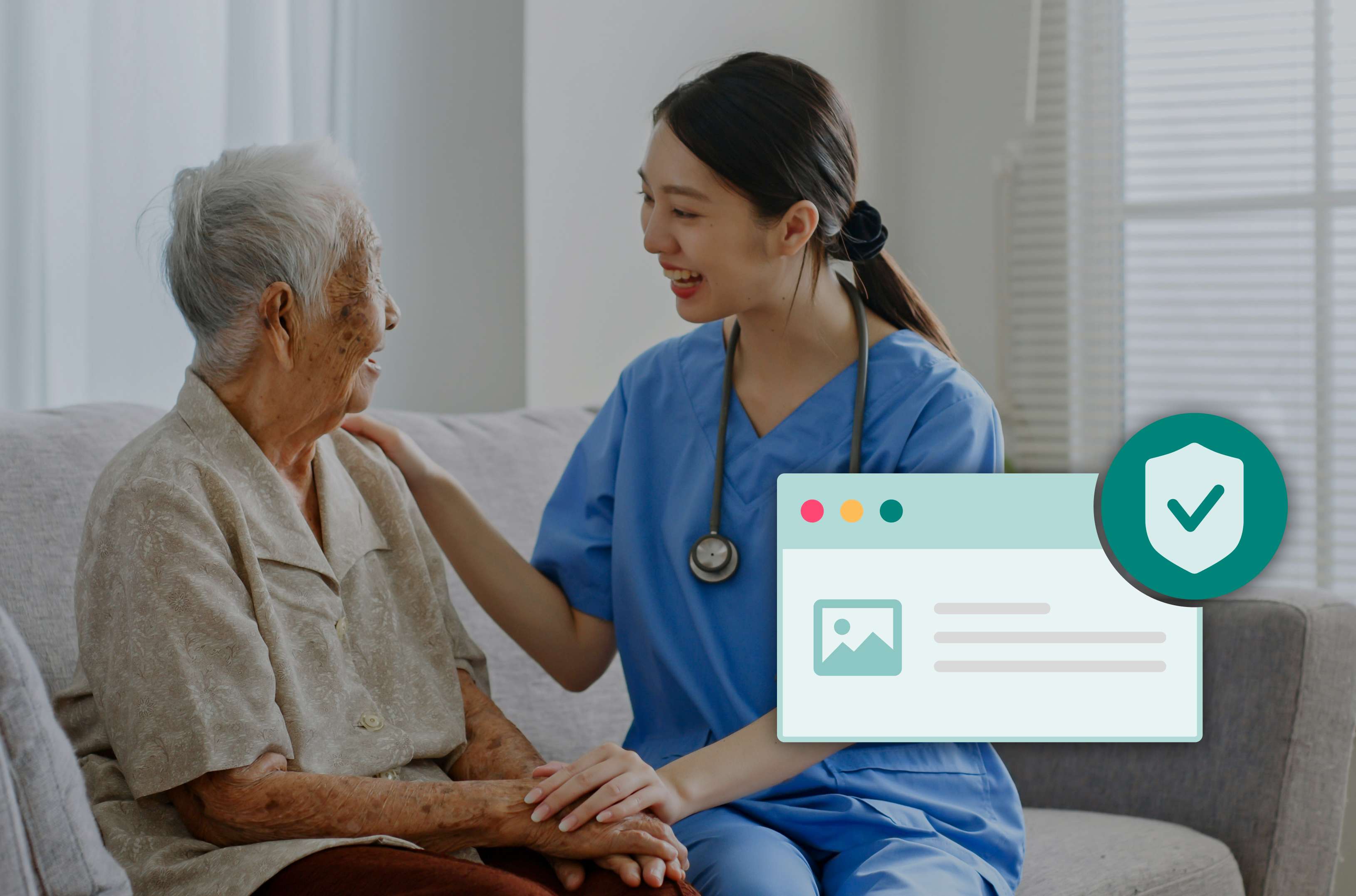
Alignment with health system clinical guidance.
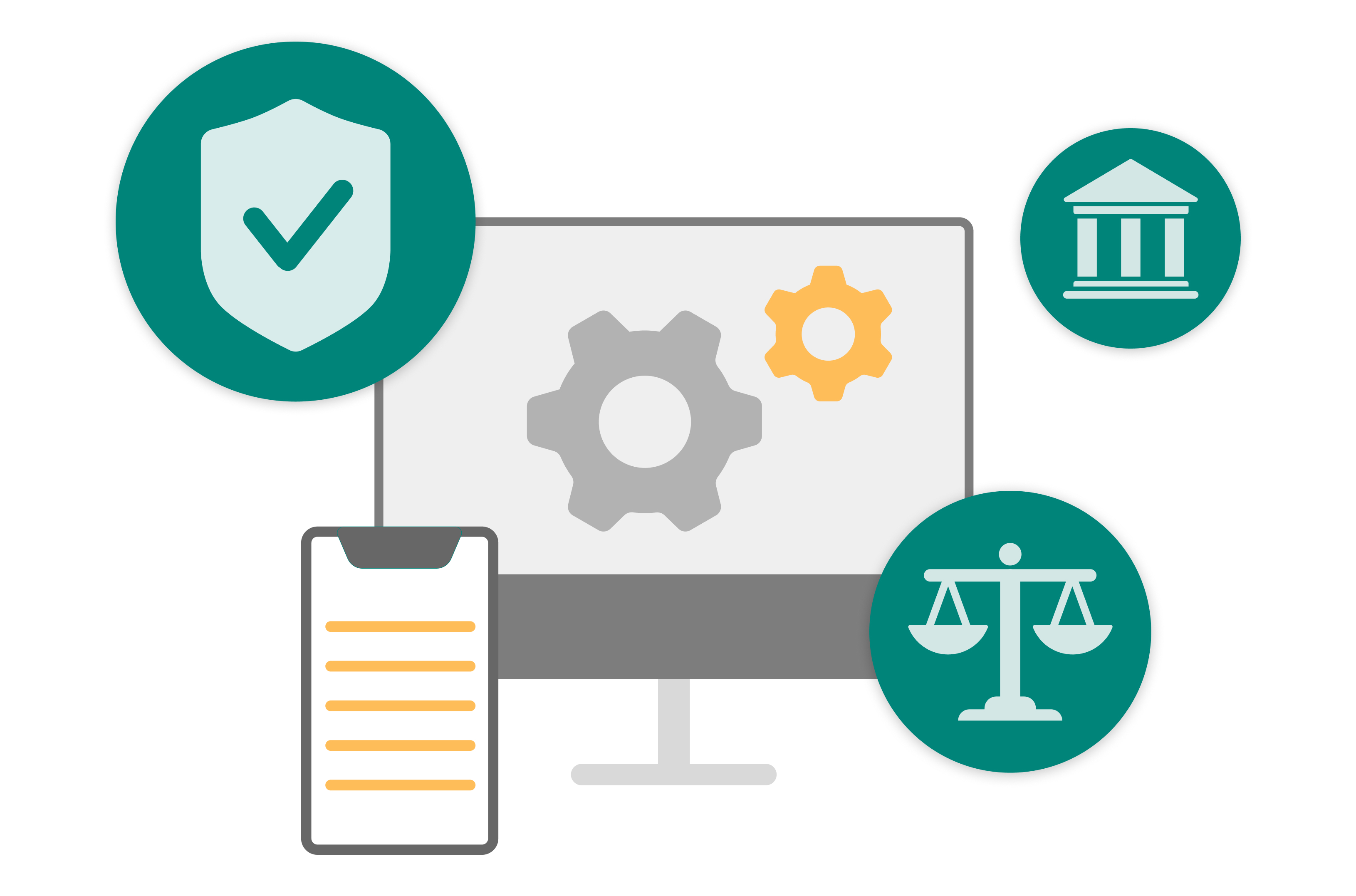
- Clinical content governance
- Consistent clinical language
- Unified patient messaging
- System-wide governance
- Configurable local branding
Outcomes: One centrally governed standard with less duplicated production across the enterprise.
Reach Every Patient
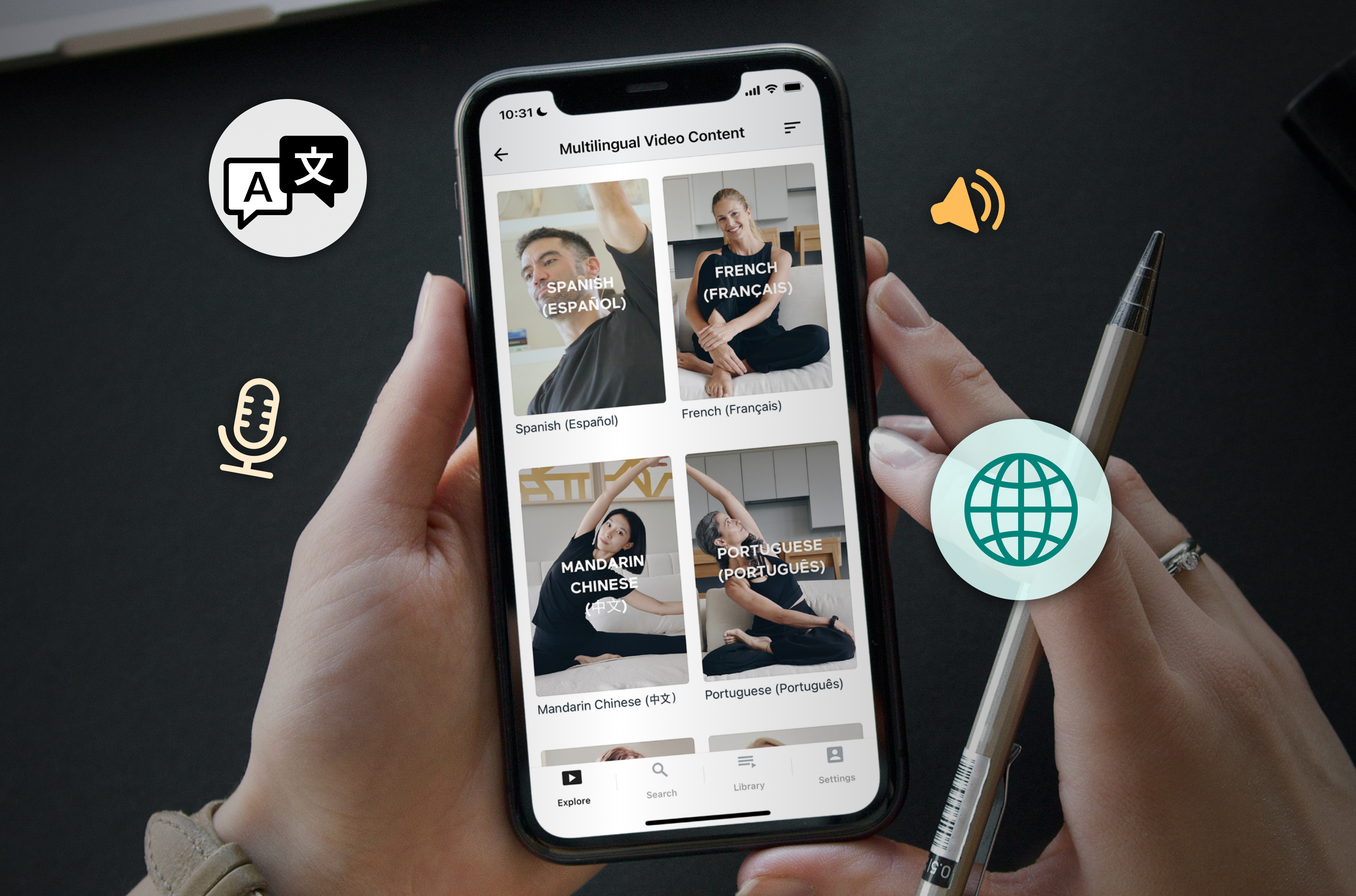
Adapt content to different languages, literacy levels, accessibility needs, and learning preferences.
- Anpassbare Lesestufen
- Accessible multimedia
- Culturally relevant education
- Mehrsprachige Bereitstellung
Outcomes: Care teams can focus on care.
Trusted Education at Every Point of Care
Pre-Visit Preparation
- Procedure education
- Appointment expectations
- Better care-team conversations

Post-Discharge Support
- Revisitable discharge education
- Leitfaden zur Wiederherstellung
- Weiterführende Ressourcen
Chronic Condition Journeys
- Diabetes und Herzgesundheit
- MSK and cardiometabolic support
- GLP-1 journey education
Digital Front Door & Engagement
- Patient portal content
- Personalized content recommendations
- Condition-based resource centers
Caregiver Education
- Caregiver guidance
- Gemeinsam nutzbare Ressourcen
- Support across the journey
Language Access & Health Equity
- Multilingual education
- Culturally responsive content
- Plain-language formats
Kanäle für Patienten
• Health system websites
• Patient portals
• Mobile applications
• Digital resource centers

Care & Program Workflows
• Pre-visit communication
• Discharge follow-up
• Care-management programs
• Condition-specific journeys
Flexible Integration
• API & CMS integration
• Structured metadata and taxonomy
• Embed and direct content delivery
• Native health system branding
Inhaltsformate
- Von Experten moderierte Videos
- Short-form health videos
- Evidenzbasierte Artikel
- Audio resources
- Infographics
- Materialien zum Ausdrucken
- Recipes and nutrition tools
- Guided programs
- Live workshops

Fachthemen für die Bedürfnisse der Patienten
Pre-Visit Education
Discharge Support
Chronische Erkrankungen
Preventive Care
Healthy Living
Diabetes
Heart Health
Hypertension & Blood Pressure
GLP-1 Support
MSK
Frauengesundheit
Psychische Gesundheit
Ernährung
Bewegung
Pflege
Gesundes Altern
Health Literacy
Unsere Glaubwürdigkeit
- 1,000+ global experts
- Clinically validated content
- Datensicherheit gemäß SOC2, HIPAA und DSGVO
- Verfügbar in über 50 Sprachen
- Über 100.000 Premium-Assets
- Über 1.000 begleitete Programme und Herausforderungen
- Kontinuierlicher Ausbau des Bestands
- Spezielle Unterstützung bei der Implementierung
Nachweisbare Ergebnisse
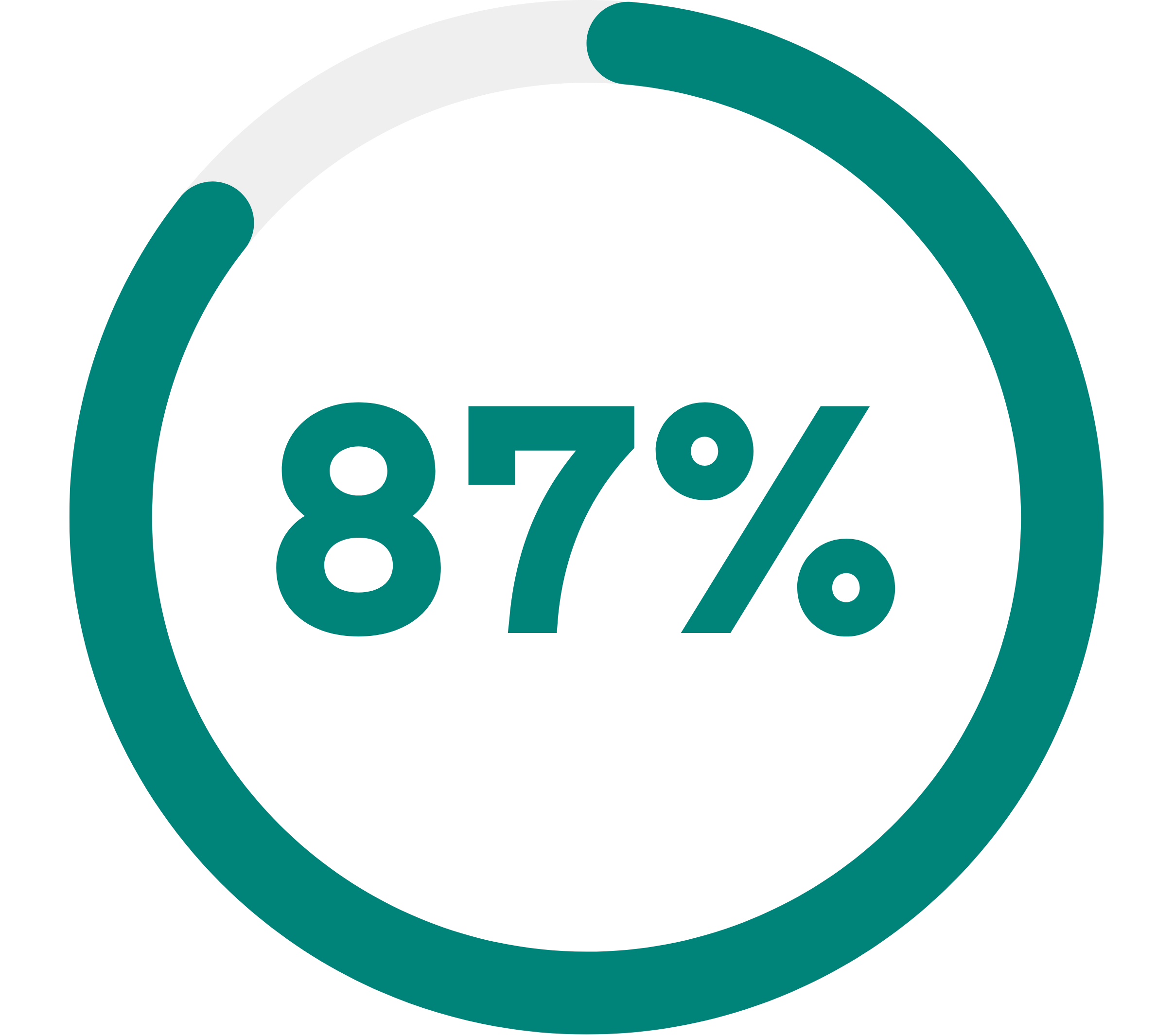
87 % der Kunden gaben an, dass das digitale Engagement nach der Einbindung unserer Inhalte nachhaltig gestiegen sei.
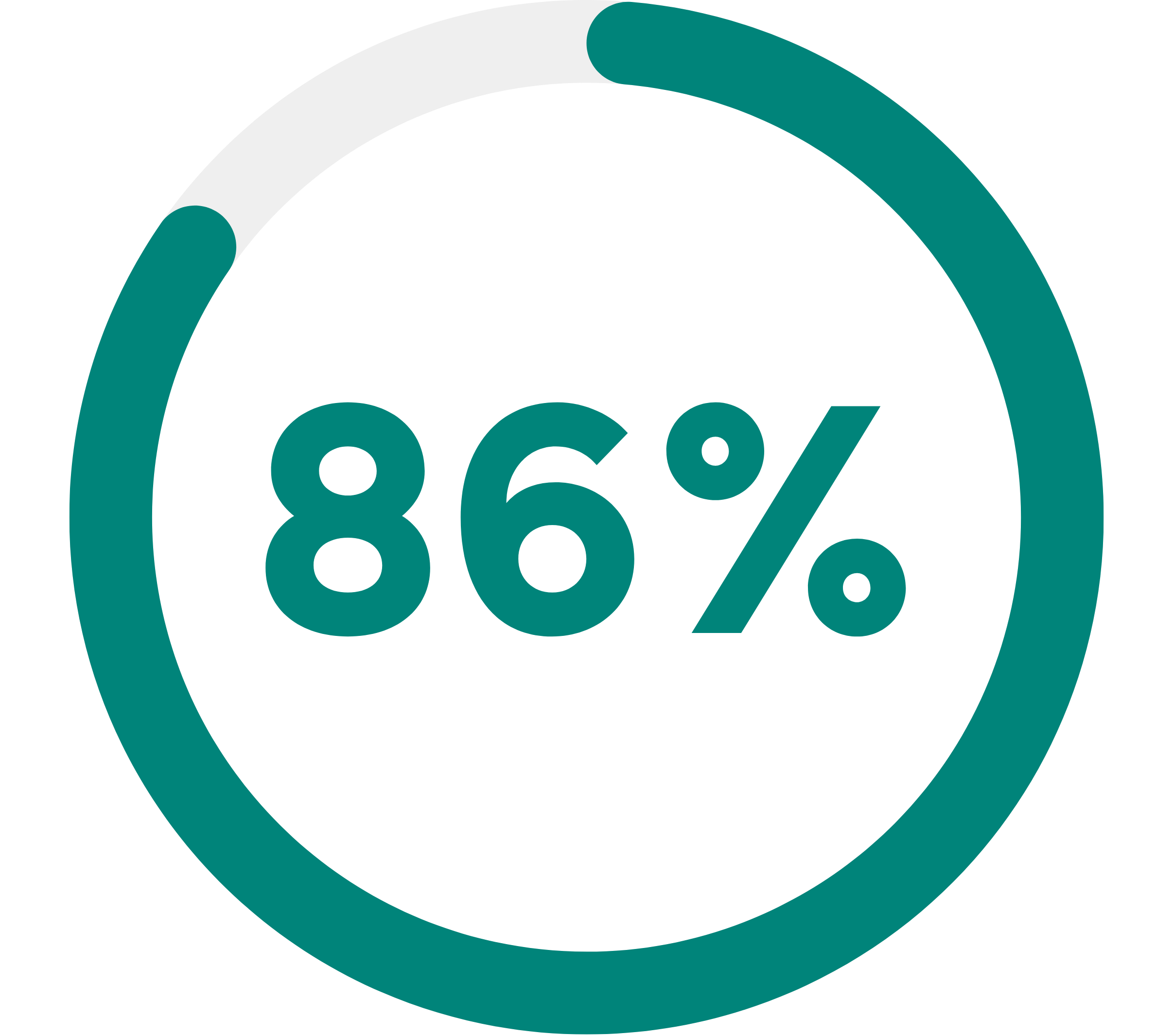
86 % der Nutzer unserer Kunden gaben an, mit unseren Inhalten zufrieden zu sein.
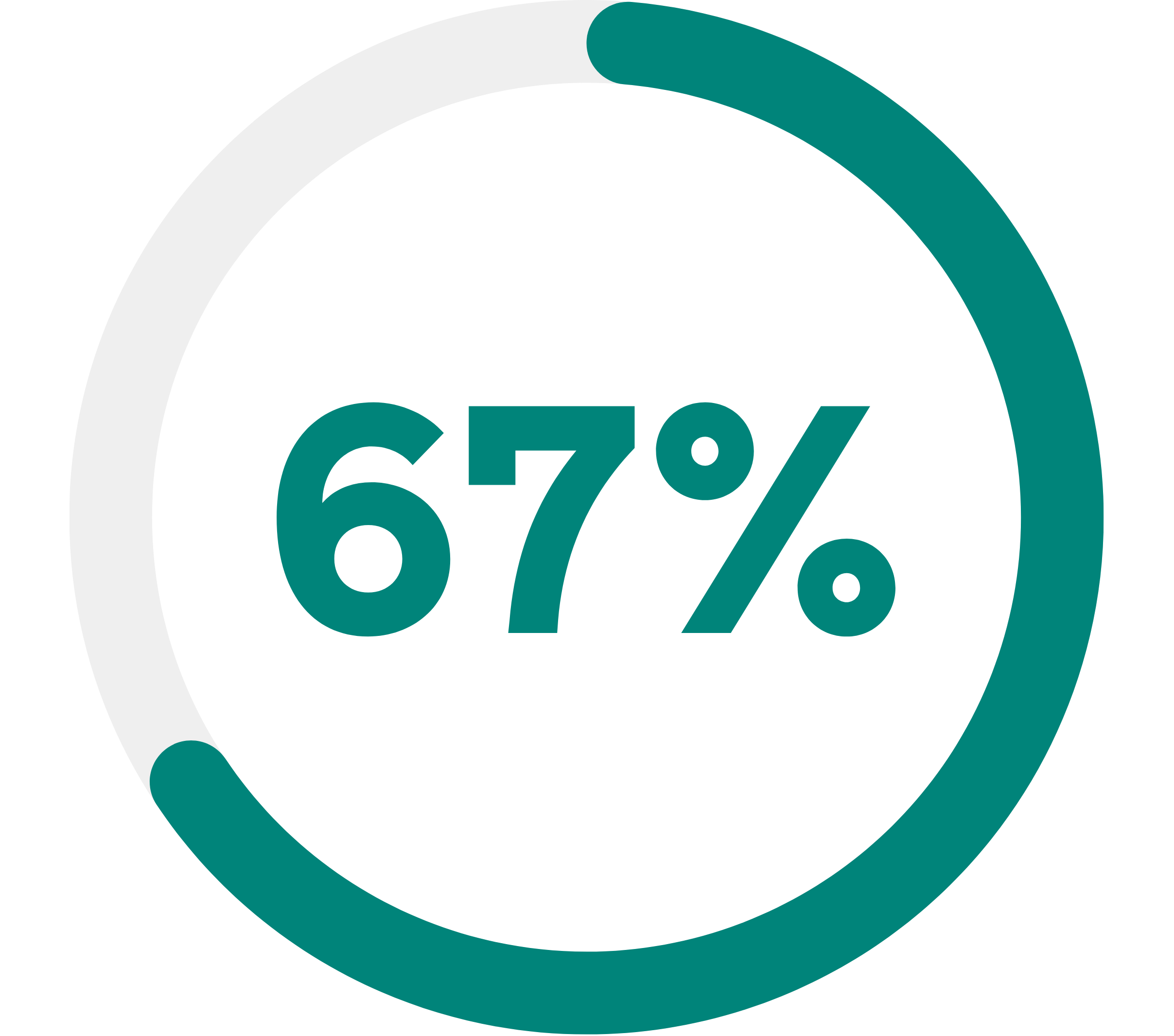
67 % der Nutzer gaben an, dass sich ihr Gesundheitsbewusstsein insgesamt verbessert habe, nachdem sie sich mit unseren Inhalten beschäftigt hatten.
Supporting Leading Healthcare Organizations






„Wir sind zu 100 % davon überzeugt, dass CARAVAN alle Anforderungen an zukünftige Inhaltsangebote erfüllen und sogar übertreffen wird. Wir schätzen zudem ihre Leidenschaft für kontinuierliche Innovationen in der Branche, wodurch sie für uns eher wie ein echter langfristiger Partner als nur wie ein Dienstleister wirken.“
★★★★★
Abby Kirk | Relationship Manager für Patientenerfahrung bei OPN Healthcare
Tiffany Reeves | Managerin für Arbeitsabläufe im Bereich Patientenerfahrung bei OPN Healthcare
Content Built Around Your Health System

Lizenzierung von Inhalten
Add expert patient education to your website, portal, app, or care program.
- Sofortiger Zugang zur Bibliothek
- Flexible Lieferoptionen
- Laufende Aktualisierungen der Inhalte
- Unterstützung bei der Implementierung in Unternehmen
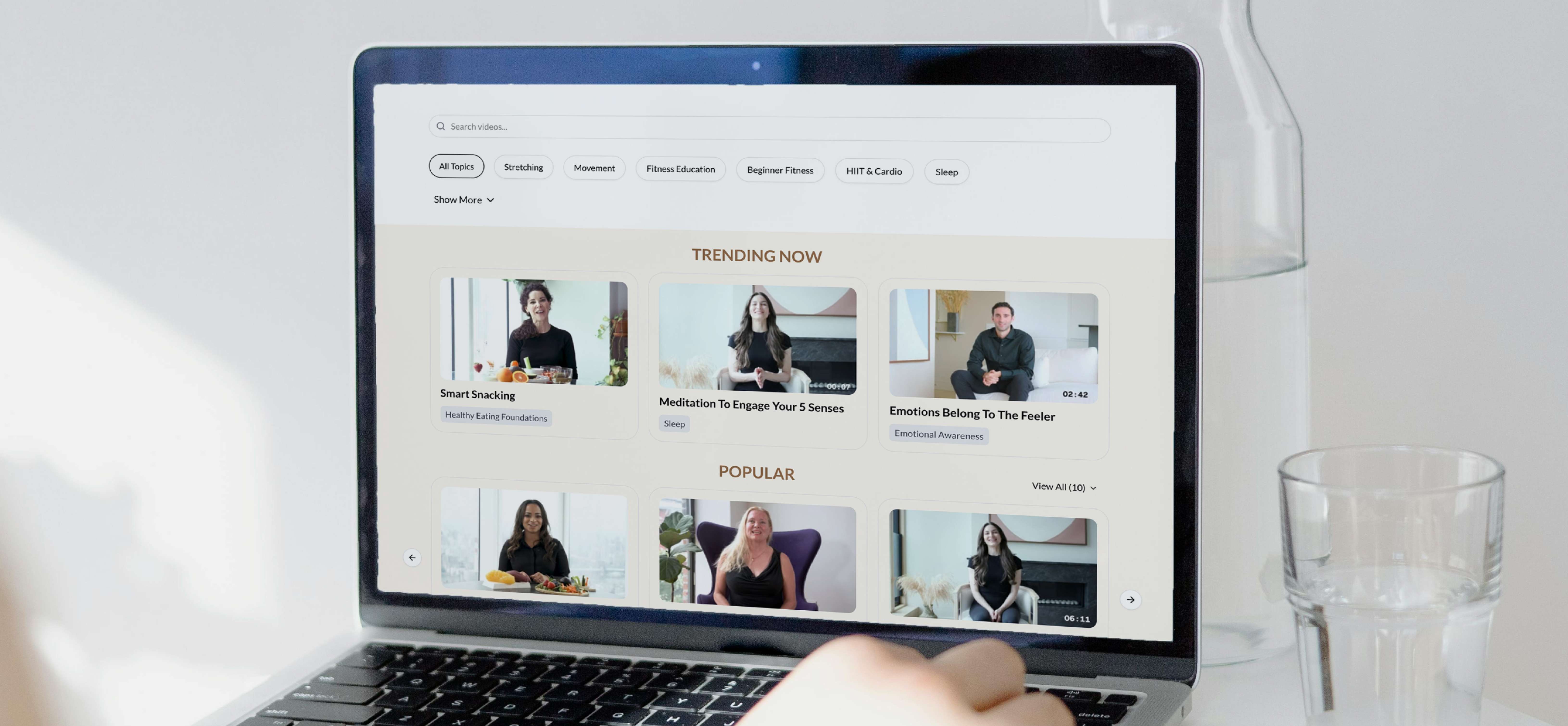
Managed Patient Education Hub
Launch a branded patient education destination with CARAVAN support.
- Branded content hub
- Maßgeschneiderte Patientenwege
- Personalized discovery
- Ongoing strategy and optimization
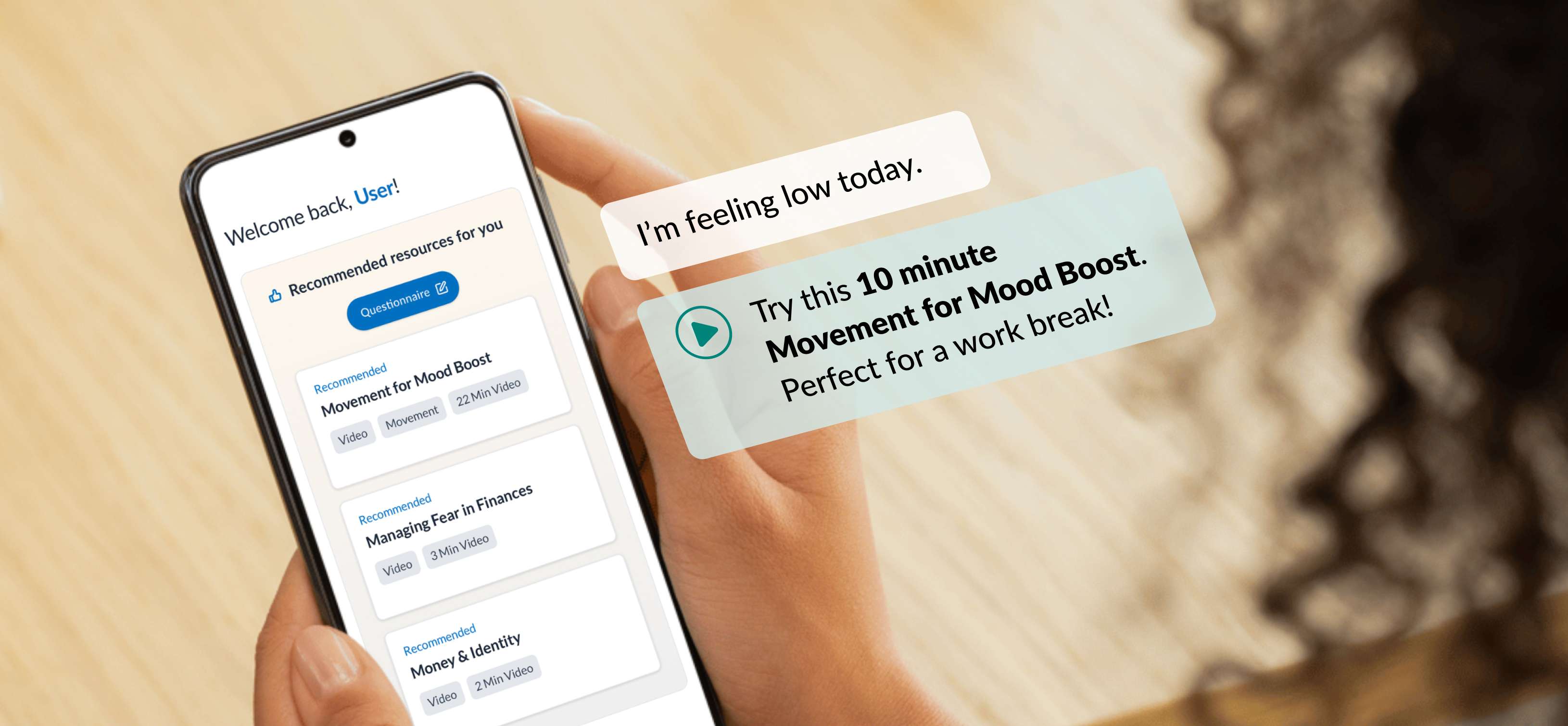
Interaktive Werkzeuge
Add an intuitive engagement layer for patients, caregivers, and care teams.
- Tests und Quizze
- Absichtsbasierte Suche
- Begleitete Gesundheitsreisen
- Health condition glossary
- Nutrition & meal tools
Ausgewählte Einblicke

Verbessern Sie die Patientenerfahrung mit Gesundheitsinhalten
Clear, accessible education across the patient journey.

Wie mehrsprachige Patientenaufklärung die Versorgung im gesamten Gesundheitssystem stärkt
Language access, cultural relevance, and patient understanding.

Standards für Aufklärungsmaterialien für Patienten: Was für Krankenhäuser und Gesundheitssysteme im Jahr 2026 wichtig ist
Clinical review, production, translation, accessibility, governance, and ongoing updates.
Häufig gestellte Fragen
How can health systems integrate patient education into an existing patient portal or CMS?
CARAVAN supports API and CMS integration, structured metadata, embed and direct content delivery, and white-label patient portal experiences so education can remain within the health system’s digital experience.

How can patient education be personalized by condition, health interest, language, or stage of care?
Structured taxonomy, condition and topic tags, metadata, intent-based search, and content recommendations can connect patients with more relevant education and guided journeys.
How do health systems keep patient education aligned with changing clinical guidelines?
Clinically reviewed, evidence-based content can be continuously updated as clinical guidance changes, supported by ongoing clinical review and content refresh workflows.
Can health systems combine content from multiple sources while maintaining one consistent patient experience?
Structured taxonomy, metadata, white-label delivery, and native branding can help organize content from multiple sources into one consistent patient experience.
What should health systems look for in clinically validated patient education content?
Clinical validation, evidence-based development, ongoing guideline review, structured taxonomy and metadata, language access, accessibility, and flexible integration are key considerations.