for healthcare systems
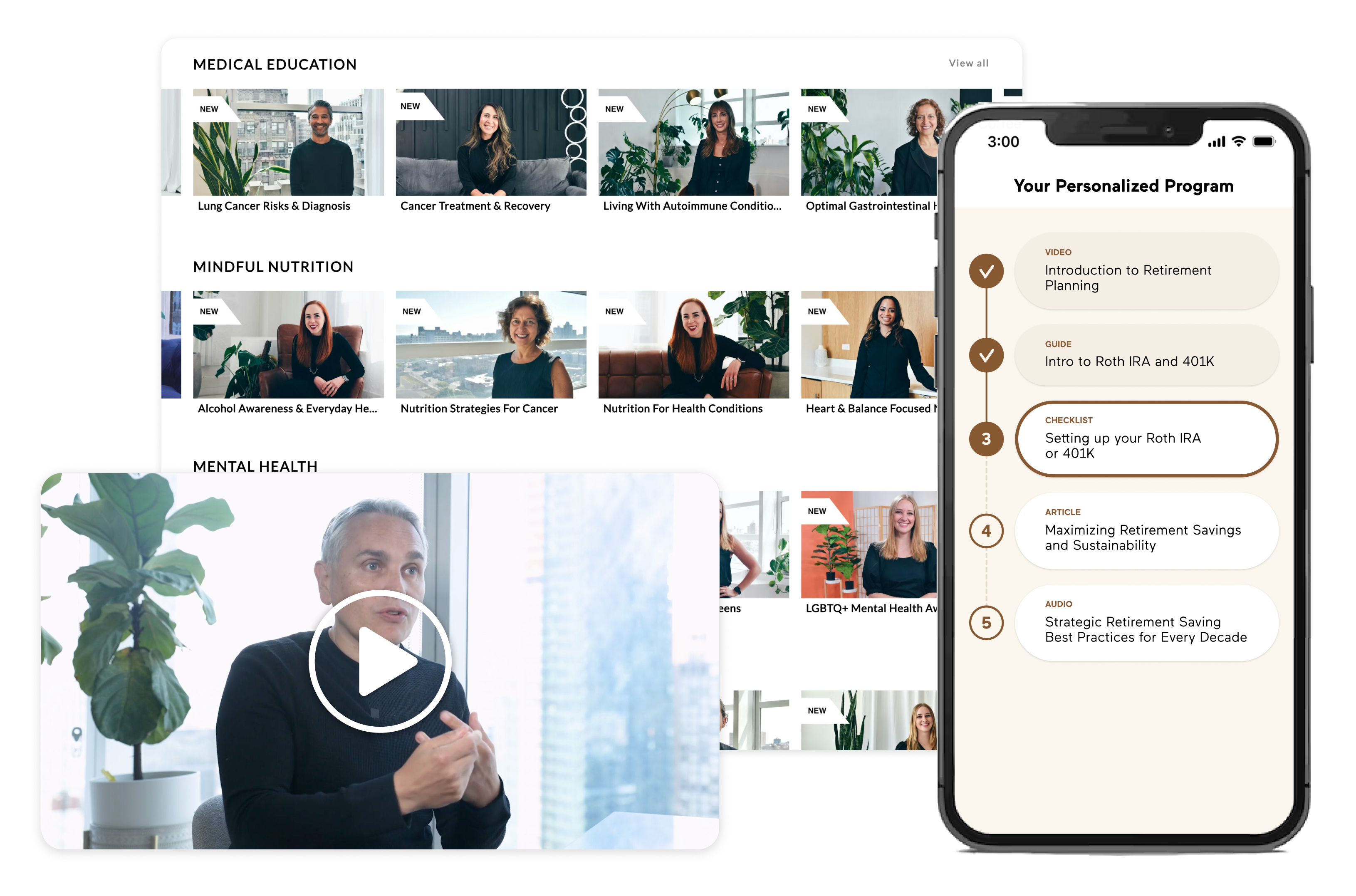
Highly EngagingPatient Education
Proactive, personalized patient education that supports patients before, after, & between care encounters.
- Personalized patient education
- Condition-based content journeys
- Proactive preventive health education
- Self-management support
Outcomes: Engage with patients beyond appointments, bills, and lab results.
StandardizeEvery Touchpoint
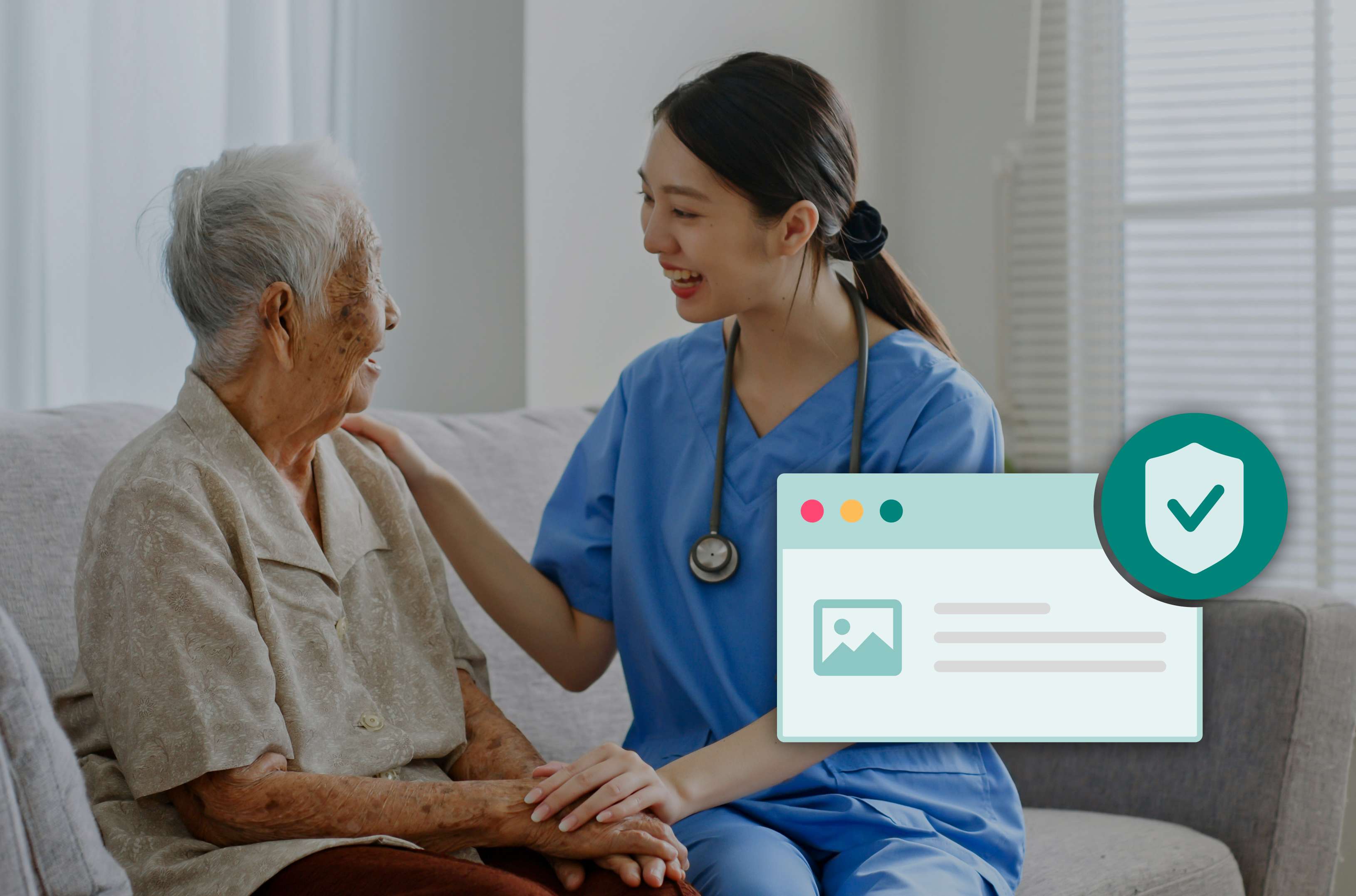
Alignment with health system clinical guidance.
- Clinical content governance
- Consistent clinical language
- Unified patient messaging
- System-wide governance
- Configurable local branding
Outcomes: One centrally governed standard with less duplicated production across the enterprise.
Reach Every Patient
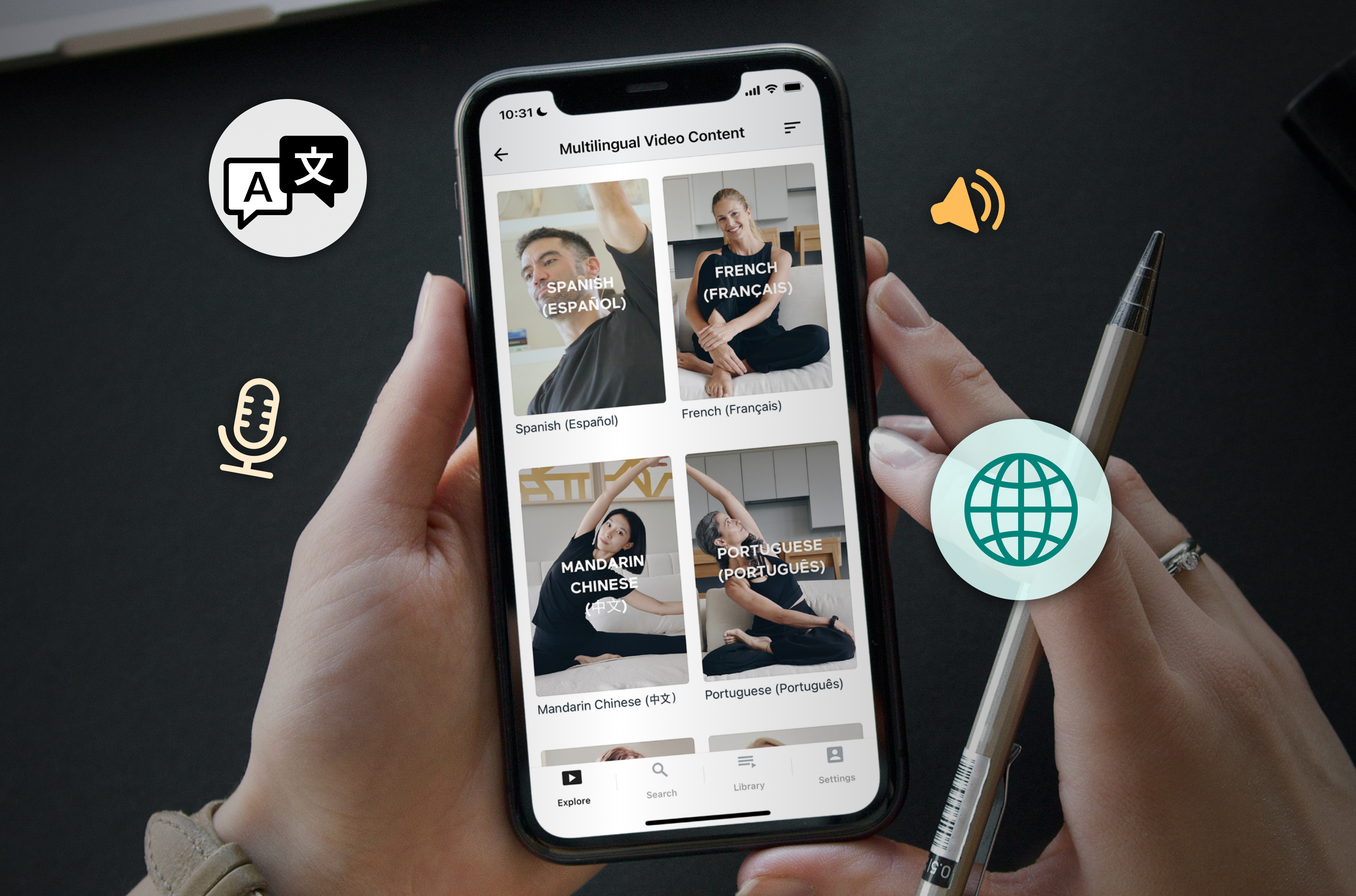
Adapt content to different languages, literacy levels, accessibility needs, and learning preferences.
- Níveis de leitura adaptáveis
- Accessible multimedia
- Culturally relevant education
- Multilingual delivery
Outcomes: Care teams can focus on care.
Trusted Education at Every Point of Care
Pre-Visit Preparation
- Procedure education
- Appointment expectations
- Better care-team conversations

Post-Discharge Support
- Revisitable discharge education
- Recovery guidance
- Follow-up resources

Chronic Condition Journeys
- Diabetes and heart health
- MSK and cardiometabolic support
- GLP-1 journey education
Digital Front Door & Engagement
- Patient portal content
- Personalized content recommendations
- Condition-based resource centers
Caregiver Education
- Caregiver guidance
- Recursos partilháveis
- Support across the journey
Language Access & Health Equity
- Multilingual education
- Culturally responsive content
- Plain-language formats
Patient-Facing Channels
• Health system websites
• Patient portals
• Mobile applications
• Digital resource centers

Care & Program Workflows
• Pre-visit communication
• Discharge follow-up
• Care-management programs
• Condition-specific journeys
Flexible Integration
• API & CMS integration
• Structured metadata and taxonomy
• Embed and direct content delivery
• Native health system branding
Formatos de conteúdo
- Vídeos apresentados por especialistas
- Short-form health videos
- Artigos baseados em evidências
- Audio resources
- Infographics
- Printable resources
- Recipes and nutrition tools
- Guided programs
- Live workshops

Expert Topics for Patient Needs
Pre-Visit Education
Discharge Support
Chronic Conditions
Preventive Care
Healthy Living
Diabetes
Heart Health
Hypertension & Blood Pressure
GLP-1 Support
MSK
Women’s Health
Behavioral Health
Nutrição
Movimento
Cuidados prestados a familiares
Envelhecimento saudável
Health Literacy
A nossa credibilidade
- 1,000+ global experts
- Clinically validated content
- Segurança de dados: SOC2, HIPAA e RGPD
- Disponível em mais de 50 idiomas
- 100,000+ premium assets
- Mais de 1 000 programas e desafios guiados
- Continuous library expansion
- Apoio dedicado à implementação

Resultados comprovados
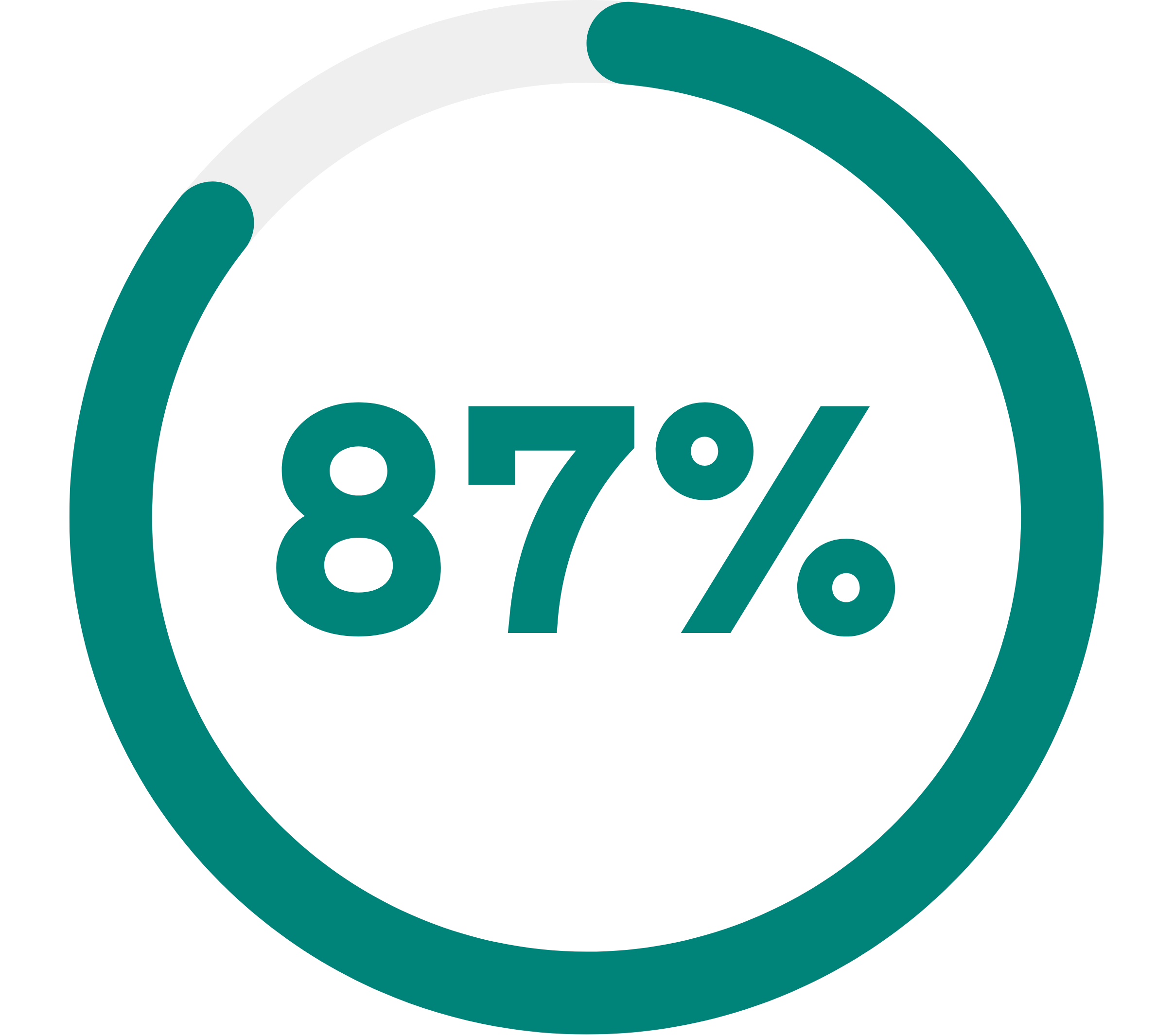
87% dos clientes referiram ter registado um maior envolvimento digital sustentado após a integração com o nosso conteúdo.
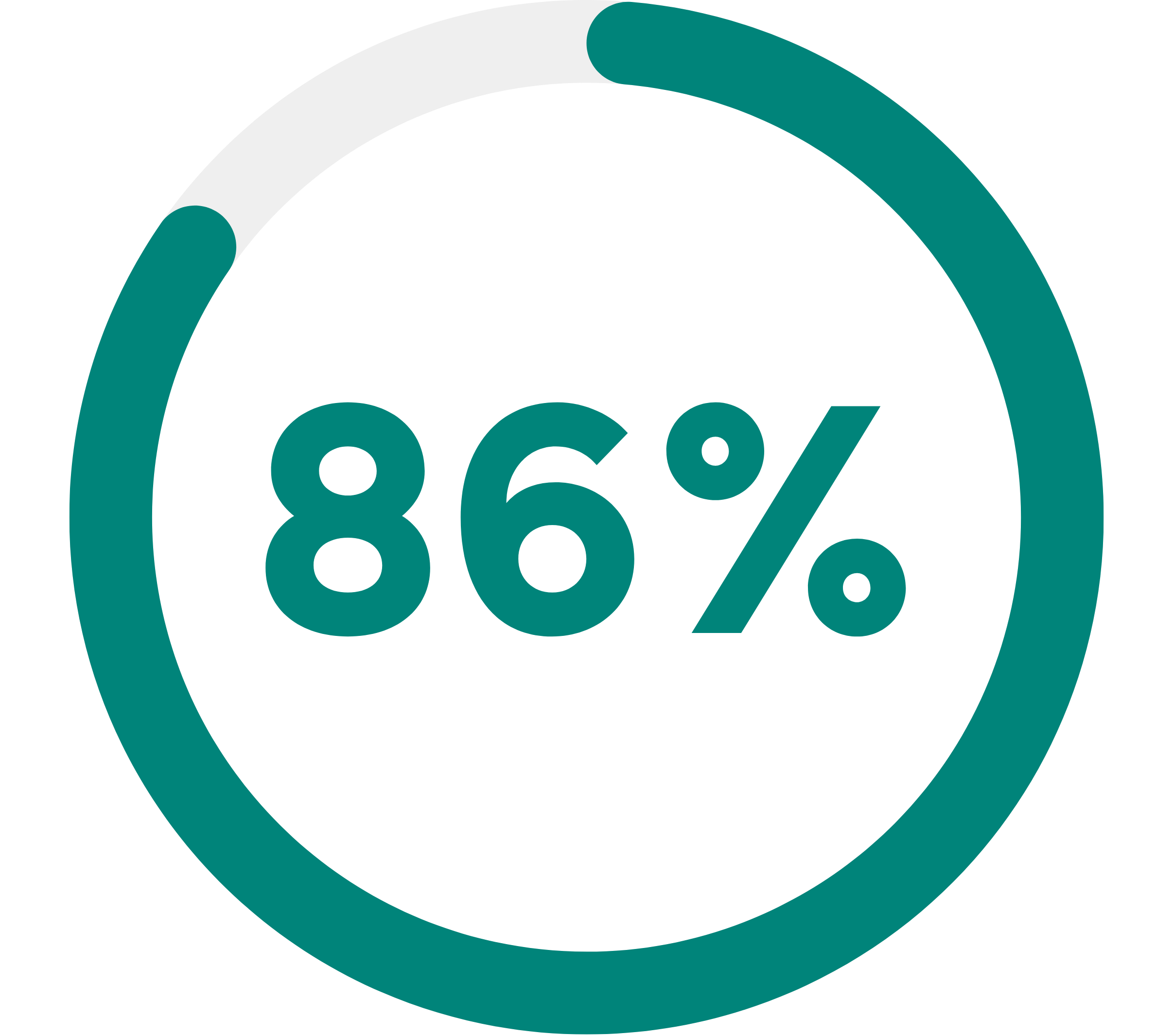
86% dos utilizadores dos nossos clientes manifestaram satisfação com o nosso conteúdo.
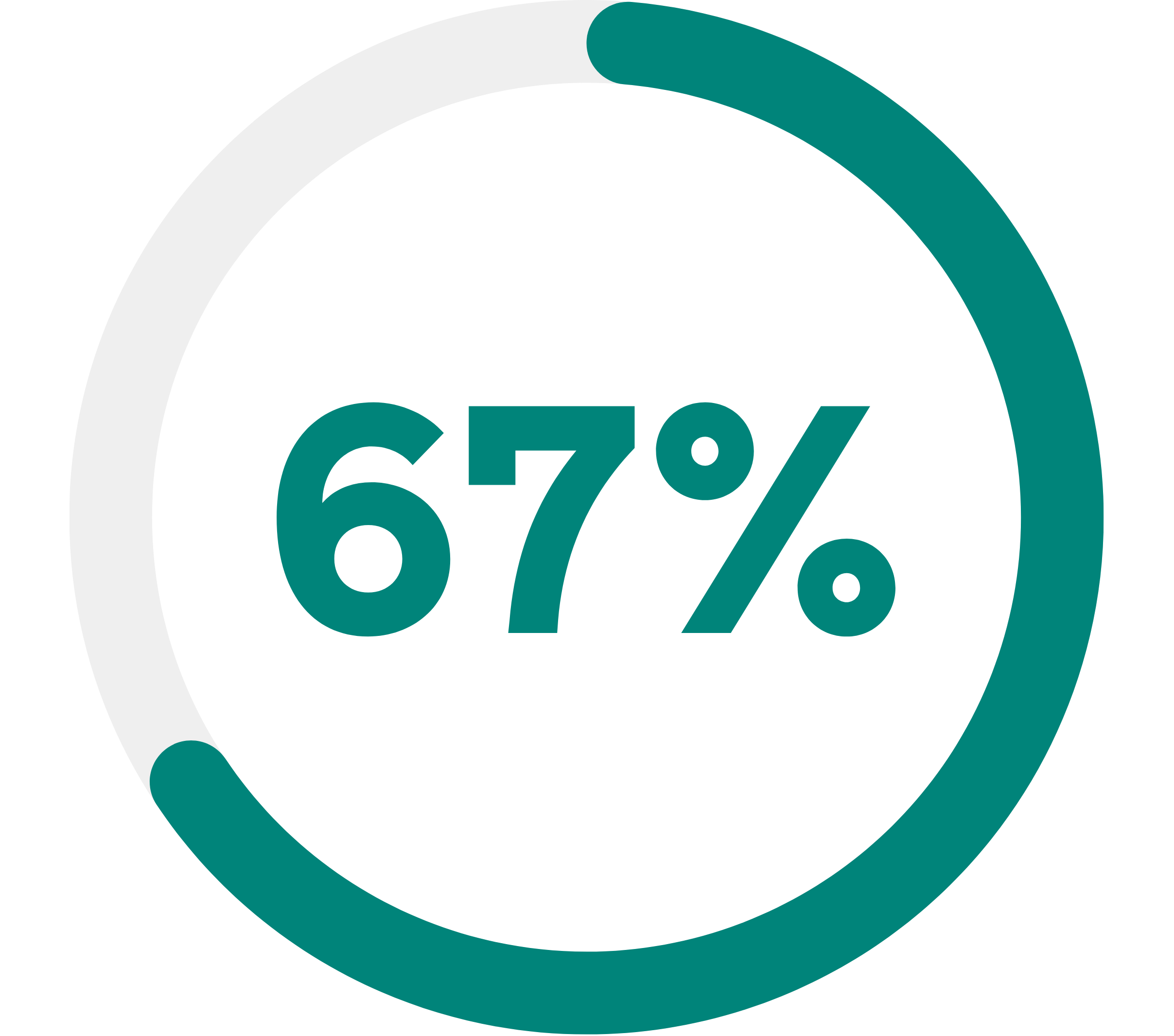
67% dos utilizadores referiram uma melhoria geral na sua consciência em matéria de saúde após terem interagido com o nosso conteúdo.
Supporting Leading Healthcare Organizations







«Estamos 100% confiantes de que a CARAVAN irá satisfazer e superar quaisquer expectativas relativamente a futuras ofertas de conteúdos. Também valorizamos a sua paixão por continuar a inovar no setor, o que nos fez sentir que se trata de um verdadeiro parceiro a longo prazo, e não apenas de um prestador de serviços.»
★★★★★
Abby Kirk | Gestora de Relações com os Pacientes na OPN Healthcare
Tiffany Reeves | Gestora do Fluxo de Trabalho da Experiência do Paciente na OPN Healthcare
Content Built Around Your Health System

Licenciamento de conteúdos
Add expert patient education to your website, portal, app, or care program.
- Immediate library access
- Flexible delivery options
- Ongoing content refreshes
- Enterprise implementation support
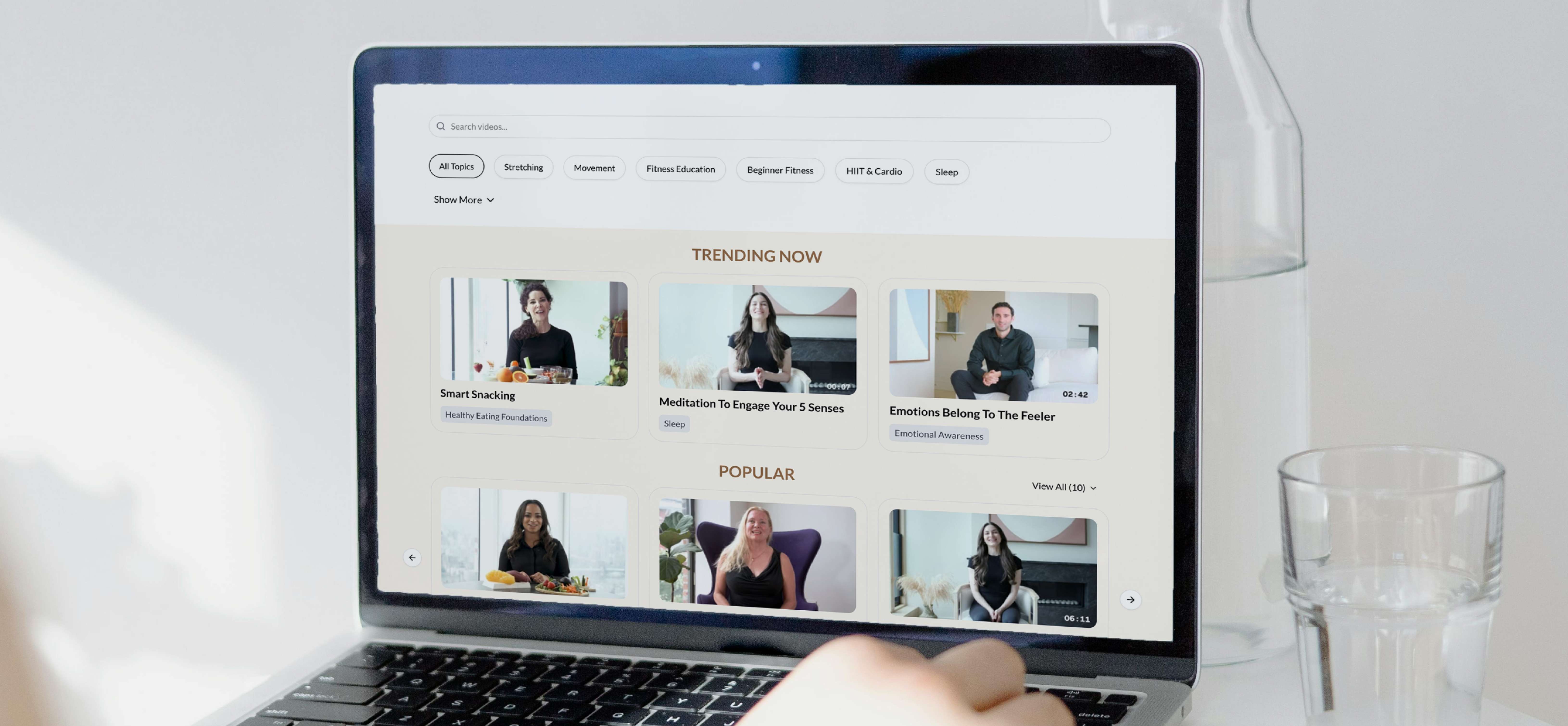
Managed Patient Education Hub
Launch a branded patient education destination with CARAVAN support.
- Branded content hub
- Curated patient journeys
- Personalized discovery
- Ongoing strategy and optimization
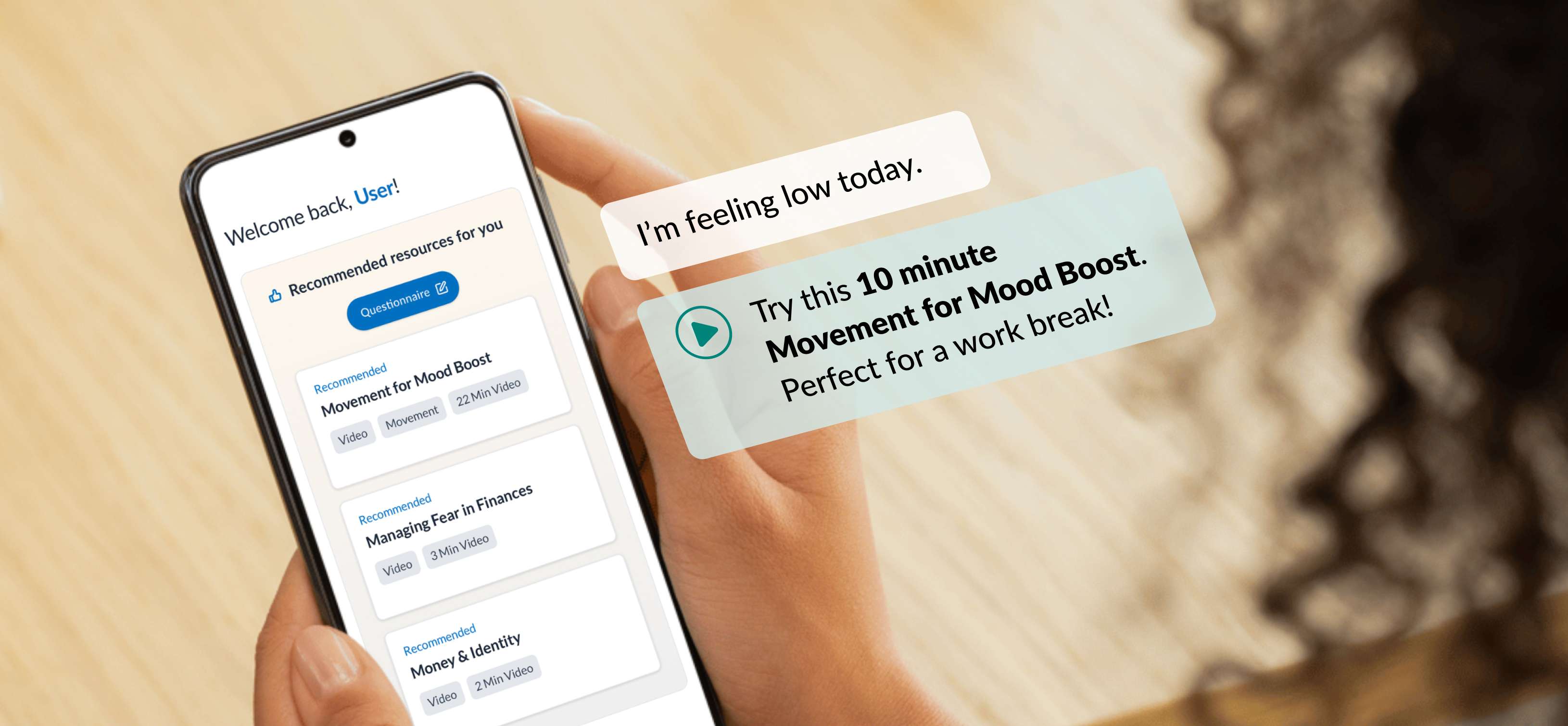
Ferramentas interactivas
Add an intuitive engagement layer for patients, caregivers, and care teams.
- Avaliações e questionários
- Intent-based search
- Guided health journeys
- Health condition glossary
- Nutrition & meal tools
Informações em destaque

Melhorar a experiência do doente com conteúdos de saúde
Clear, accessible education across the patient journey.

How Multilingual Patient Education Strengthens Care Across the Health System
Language access, cultural relevance, and patient understanding.

Patient Education Content Standards: What Matters for Hospitals and Health Systems in 2026
Clinical review, production, translation, accessibility, governance, and ongoing updates.
Perguntas Frequentes
How can health systems integrate patient education into an existing patient portal or CMS?
CARAVAN supports API and CMS integration, structured metadata, embed and direct content delivery, and white-label patient portal experiences so education can remain within the health system’s digital experience.

How can patient education be personalized by condition, health interest, language, or stage of care?
Structured taxonomy, condition and topic tags, metadata, intent-based search, and content recommendations can connect patients with more relevant education and guided journeys.
How do health systems keep patient education aligned with changing clinical guidelines?
Clinically reviewed, evidence-based content can be continuously updated as clinical guidance changes, supported by ongoing clinical review and content refresh workflows.
Can health systems combine content from multiple sources while maintaining one consistent patient experience?
Structured taxonomy, metadata, white-label delivery, and native branding can help organize content from multiple sources into one consistent patient experience.
What should health systems look for in clinically validated patient education content?
Clinical validation, evidence-based development, ongoing guideline review, structured taxonomy and metadata, language access, accessibility, and flexible integration are key considerations.