Combating Mental Health Misinformation on Social Media
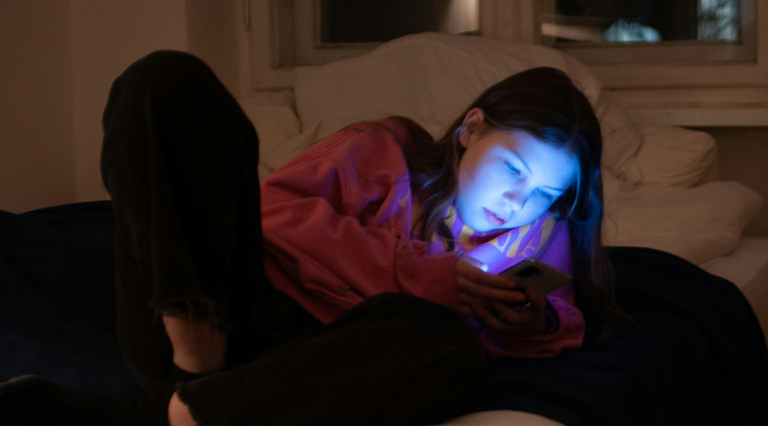
Mental health content is gaining traction on popular platforms, but viral doesn’t always mean accurate. In fact, over 50% of the most popular mental health videos contain some form of misinformation. This kind of content can do real harm like mislead people searching for support, spread harmful stereotypes, or promote unsafe advice.
Whether you’re a creator, a brand, or just someone who shares content, we all have a role to play in making mental health conversations online more trustworthy.
For Creators
- Work with licensed experts—don’t guess. When in doubt, consult professionals. Credible collaboration helps ensure your content is helpful and not harmful.
- Focus on education, not just engagement. Going viral is great, but sharing accurate, clear information should always come first.
- Use disclaimers and link to real resources. Be transparent about your role and give your audience access to expert help and further support.
For Brands
- Set standards that include expert review. Make mental health accuracy part of your content and partnership guidelines.
- Fact-check before sharing viral trends. Just because it’s trending doesn’t mean it’s safe or true. Take a second to verify.
- Spotlight trusted mental health voices. Use your platform to amplify experts and advocates doing it right.
For Users
- Pause before sharing—check the source. A quick look at the creator’s credentials can help you spot red flags.
- Try to avoid trusting feelings over facts. Just because something resonates emotionally doesn’t mean it’s correct.
- Follow credible mental health professionals. Build a feed that’s informative, balanced, and grounded in expertise.
Misinformation can be trendy but it comes at a cost. By being more intentional, informed, and collaborative, we can help reshape the mental health conversation online. The goal isn’t just to go viral—it’s to build a culture of care, accuracy, and trust.