Uncovering the Blind Spots in Health Content
For health content to truly make a difference, it needs to reach everyone. But too often, it falls short — not because of bad intentions, but because of unexamined blind spots. These gaps in approach, voice, and delivery can unintentionally exclude the very people who need support most. If we want health communication to be equitable, empathetic, and effective, we need to address what’s missing.
Cultural Relevance Isn’t Optional
Health advice that doesn’t reflect people’s lived cultures, languages, and day-to-day realities simply doesn’t land. Too often, content is created with a default “general population” lens. This approach may overlook the nuances of race, ethnicity, religion, and cultural values. When we build in diversity from the start, health messages become more resonant and more actionable.
Lived Experience Over Abstract Expertise
Expert-led advice has value but the human connection often comes from those who have been there. First-person stories, shared challenges, and peer perspectives bring health content to life. When people hear from others who look like them, live like them, or have experienced similar struggles, it builds trust and reduces stigma. Real voices create real impact.
Accessibility Is More Than A Compliance Box
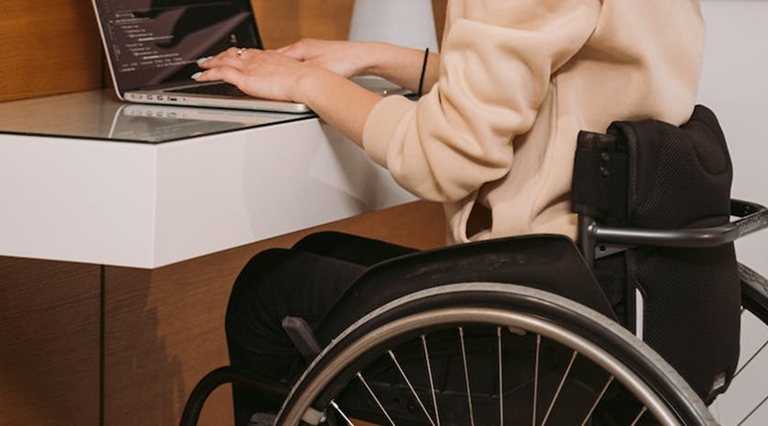
If your health content isn’t written in plain, everyday language, if it’s not translatable, or if it lacks visual support then it may not be accessible. That’s especially true for underserved communities, including non-native speakers, people with low health literacy, and those with disabilities. Accessibility must be designed in from the beginning, not an afterthought.
Intersectionality Is Critical
Health content often speaks to one aspect of identity at a time — but people don’t have one-dimensional identities. Someone might be LGBTQ+, living with a disability, and part of an immigrant community, all at once. When content ignores these intersections, it erases people’s realities. Representation should reflect the fullness of who people are, not just one dimension.
Timeliness Shapes Relevance
Content that ignores what’s happening in the current world, from cost-of-living pressures to community crises, can feel tone-deaf or disconnected. The best health content responds to the moment. It acknowledges current events, shifting needs, and the emotional context people are navigating.
Health content has the power to inform, inspire, and transform, but only if it sees everyone. Inclusive design turns health content into something people can see themselves in and act upon.